infant
You Probably Don't Need a Traditional Sippy Cup
If you don't want to overthink it
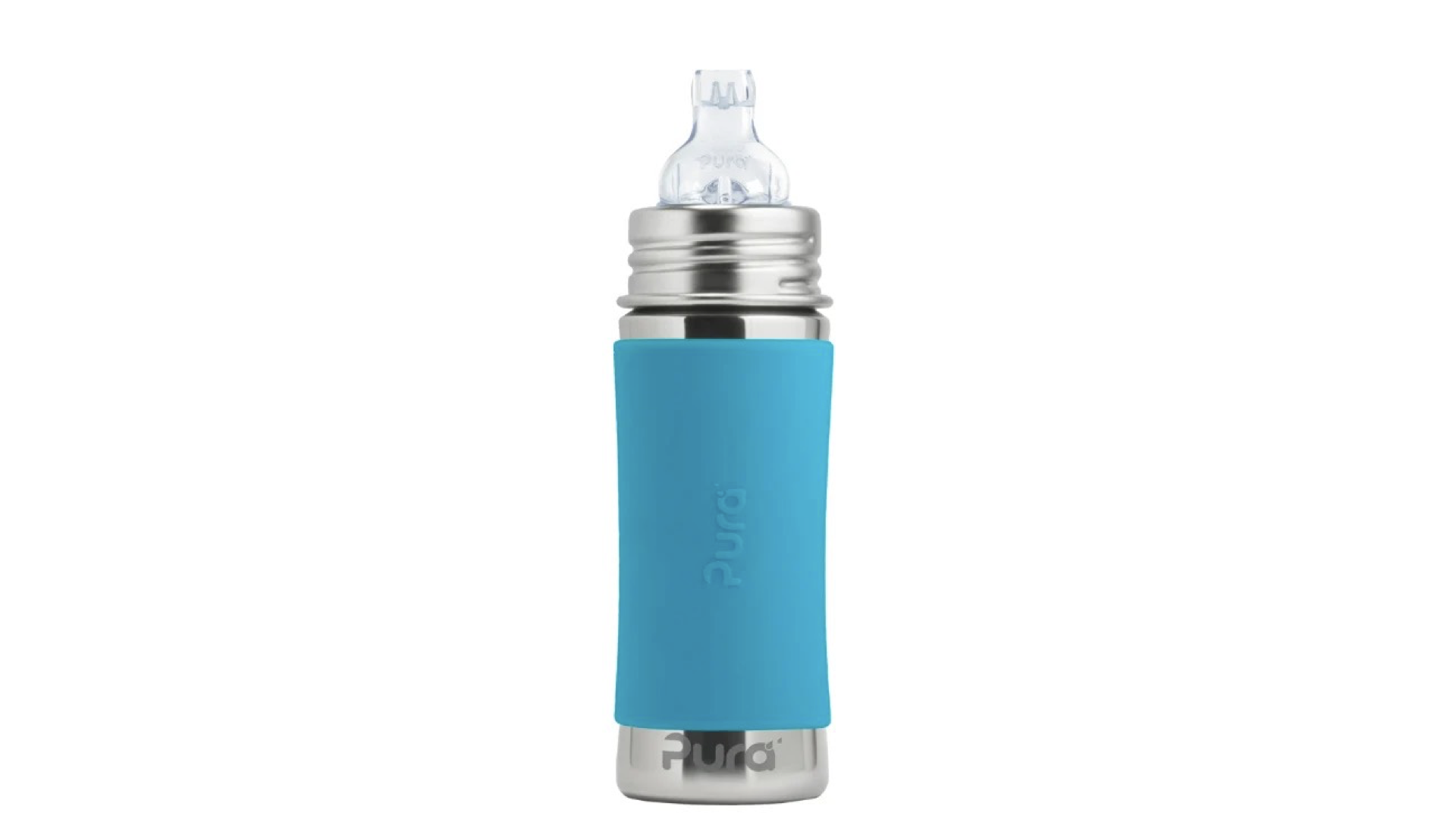
Pura Kiki
Cleanest materials
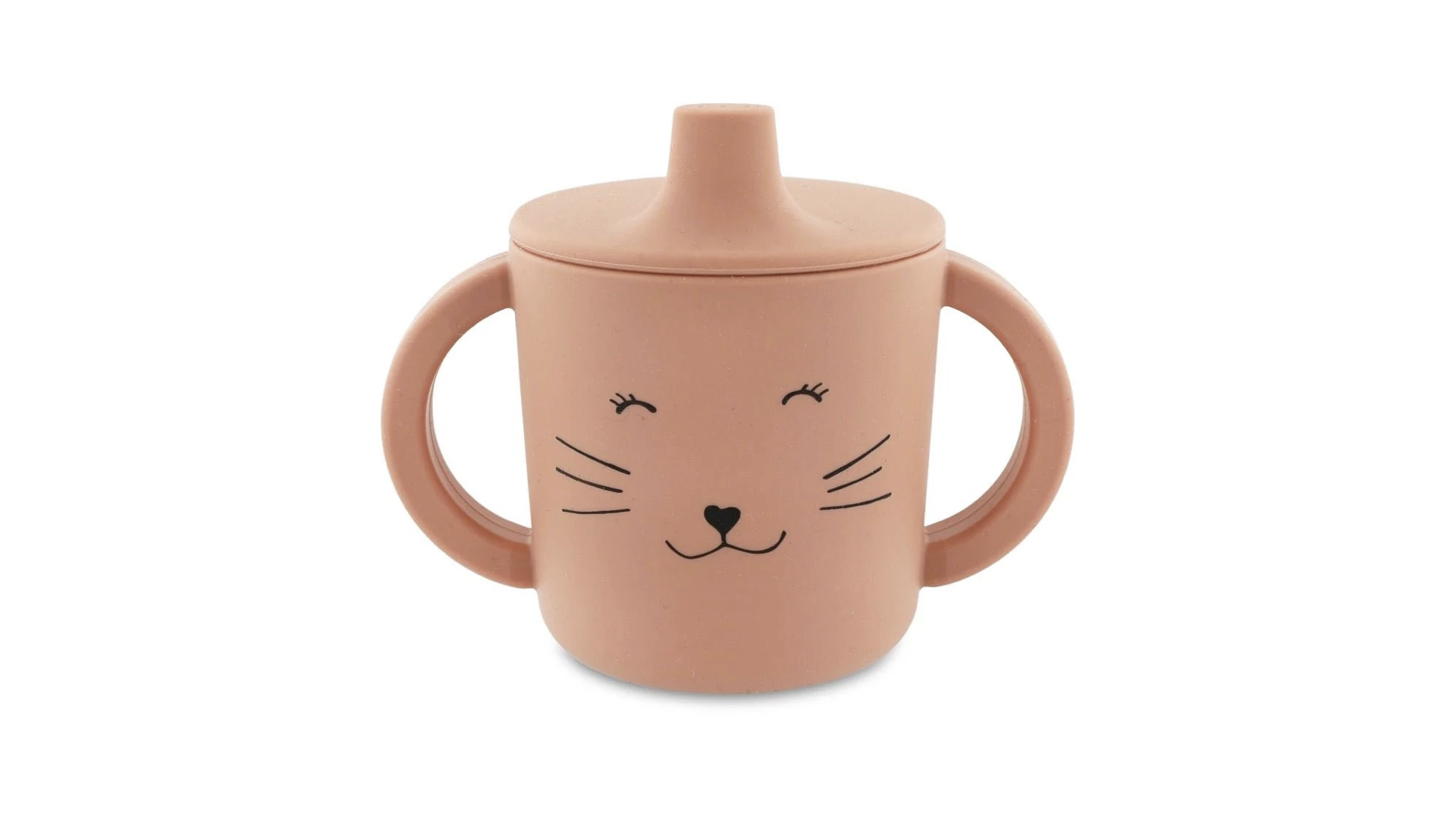
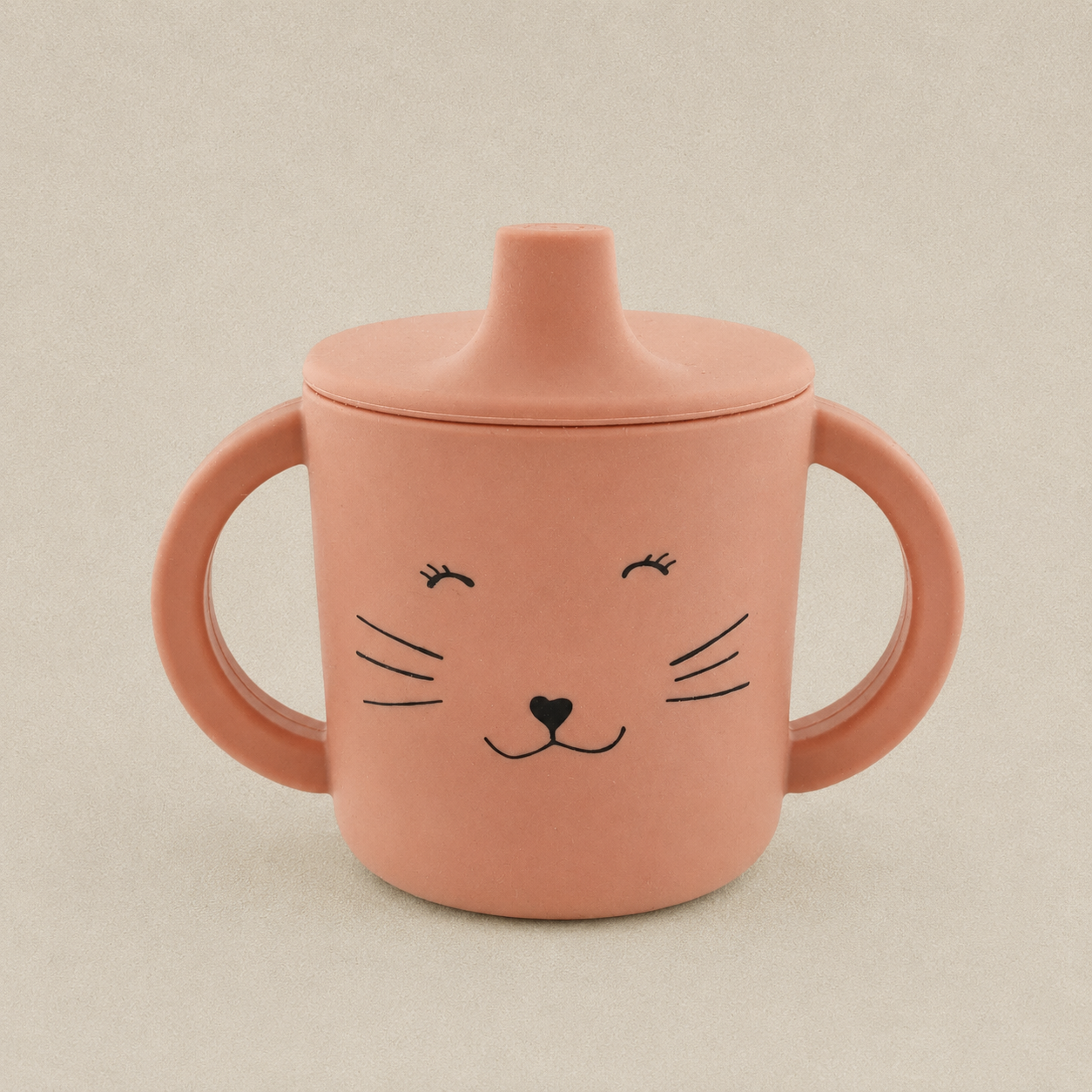
Trixie
Early cup learning
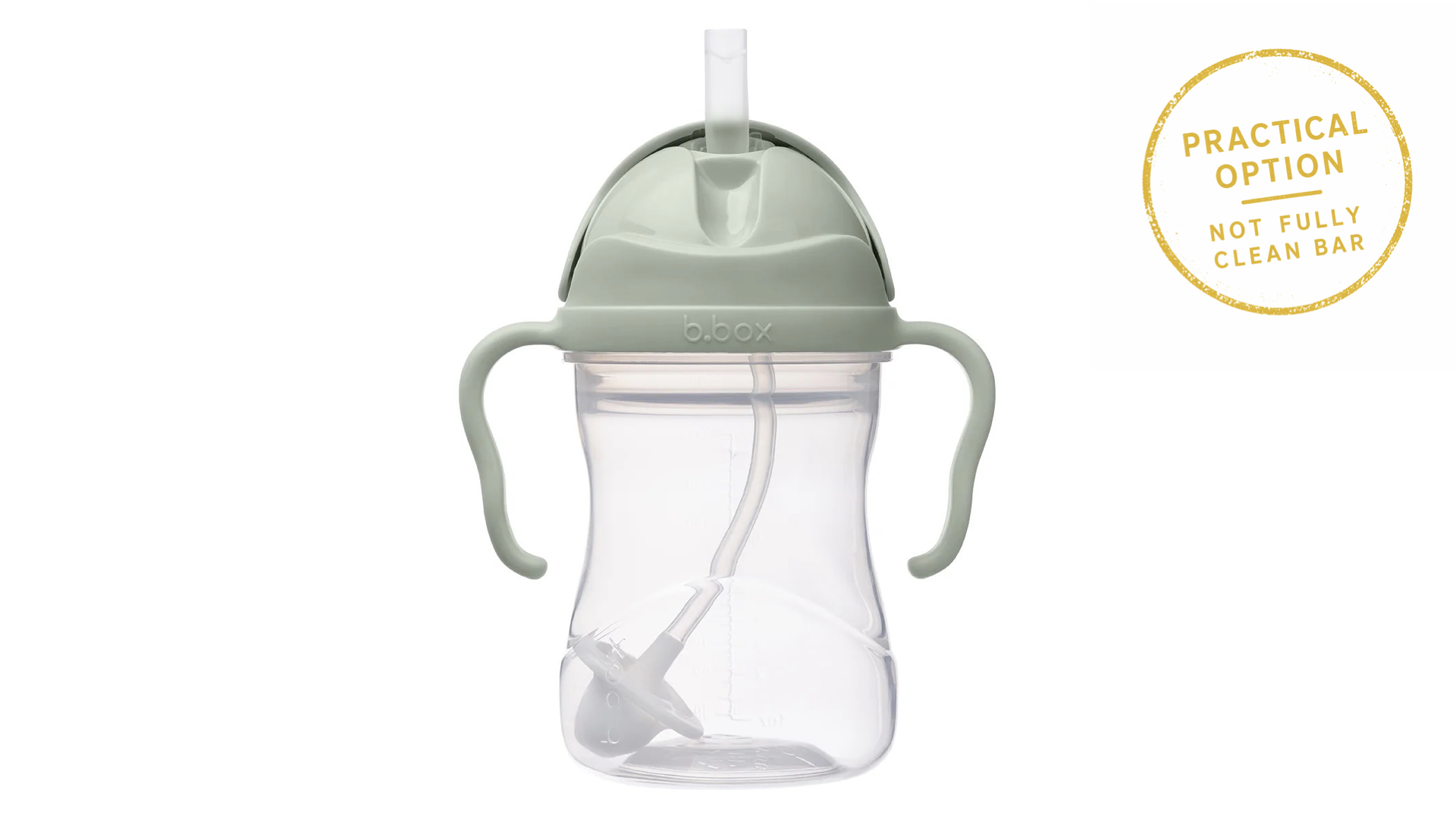
b.box
Practical Budget Option
The Why
Sippy cups come in handy at around 6–12 months, once babies start solids and begin practicing how to drink water alongside meals. At this stage, it’s less about needing large amounts of water and more about learning drinking skills.
Most parents end up trying a few different styles: straw cups, spout cups, stainless steel bottles... before it all gets surprisingly complicated.
The Shortlist
Pura Kiki
~$35–$55
Best for: Cleanest materials
Why we like it
- • Stainless steel body + silicone spout and sleeve
- • No hard plastic bottle body or internal plastic lining
- • Fewer internal parts than weighted straw systems
- • Wide neck is easier to clean properly
- • Modular tops let you switch formats as your child grows
- • Extremely durable for long-term daily use
- • Insulated - keeps drinks hot and cold
Trade-offs
- • Less leakproof than b.box
- • Heavier for younger babies learning independently
- • Harder to see liquid levels
- • More expensive than mainstream plastic cups
- • Modular top system not that practical as you still need to upgrade the bottle size
Trixie
~ $30
Best for: Early cup learning
Why we like it
- • 100% food-grade silicone
- • No hard plastic bottle body
- • Simple construction with fewer hidden parts
- • Softer feel for babies transitioning off bottles
- • Lightweight and easy for smaller hands
Trade-offs
- • Not truly leakproof
- • Silicone can absorb soap smells over time
- • Less practical for daycare / out-and-about use
- • Better as a transition cup than a forever option
b.box
~$15–$25
Best for: Practical Budget Option
Why we like it
- • Clear materials disclosure (BPA-free plastic body + silicone straw)
- • Weighted straw allows babies to drink from different angles
- • Helps babies learn straw drinking early
- • Actually leak-resistant for everyday use
- • Lightweight for daycare + pram life
- • Widely available in Australia with easy replacement parts
Trade-offs
- • Plastic-heavy system (BPA-free ≠ plastic-free)
- • More internal parts to clean properly
- • Weighted straw design is more engineered than simpler cups
- • Replacement parts add up over time
- • Does not meet the Clean Bar
The GoodCall
We started with Trixie while baby was learning the mechanics of drinking. At that stage, leakproof didn’t matter — it was supervised, messy and really just about learning how to sip water.
As baby got older, we moved to Pura. Minimizing plastic contact matters to us and we liked the simpler stainless steel construction compared with more engineered straw systems.