The Baby Sleep Sack Shortlist
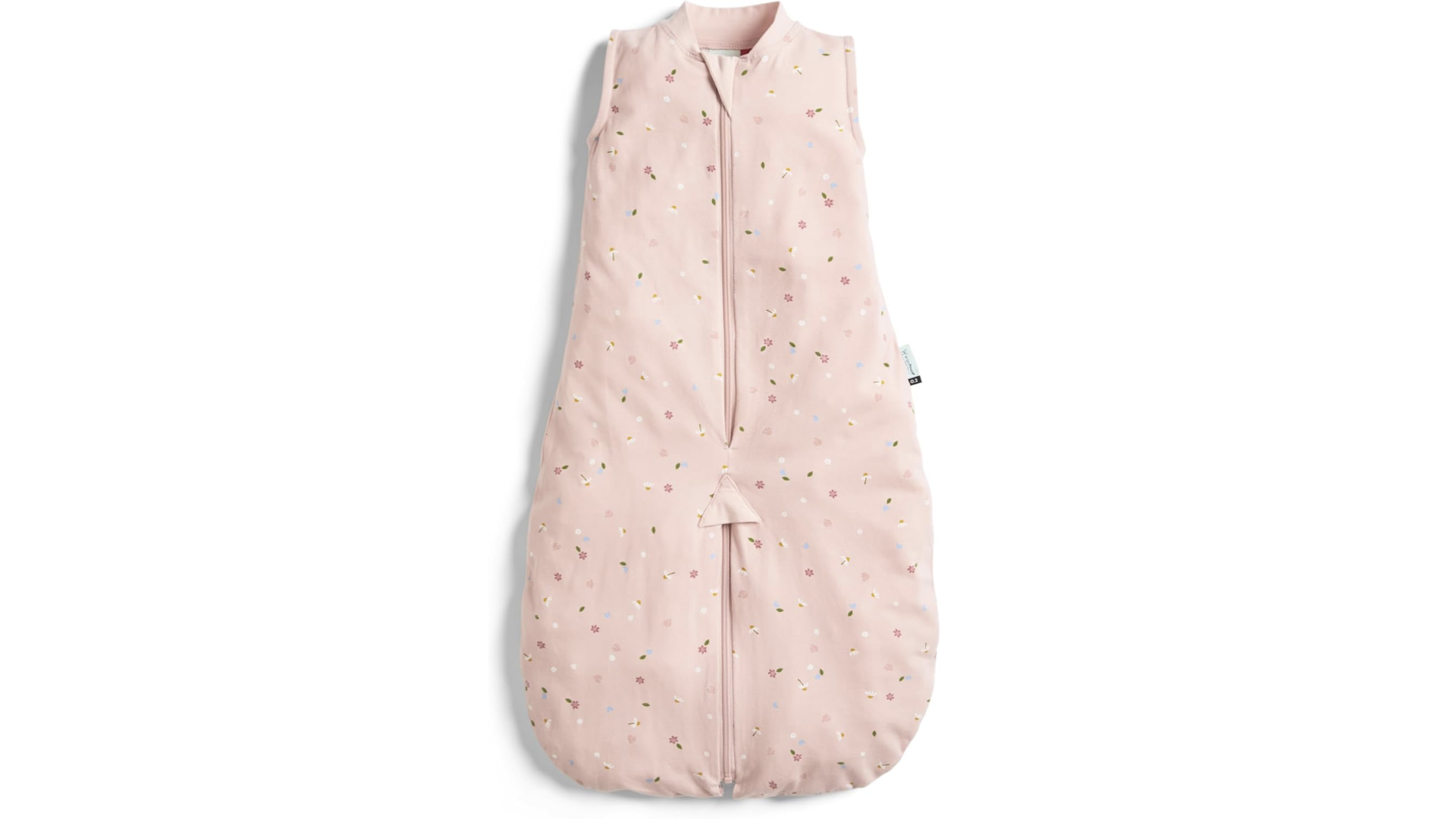
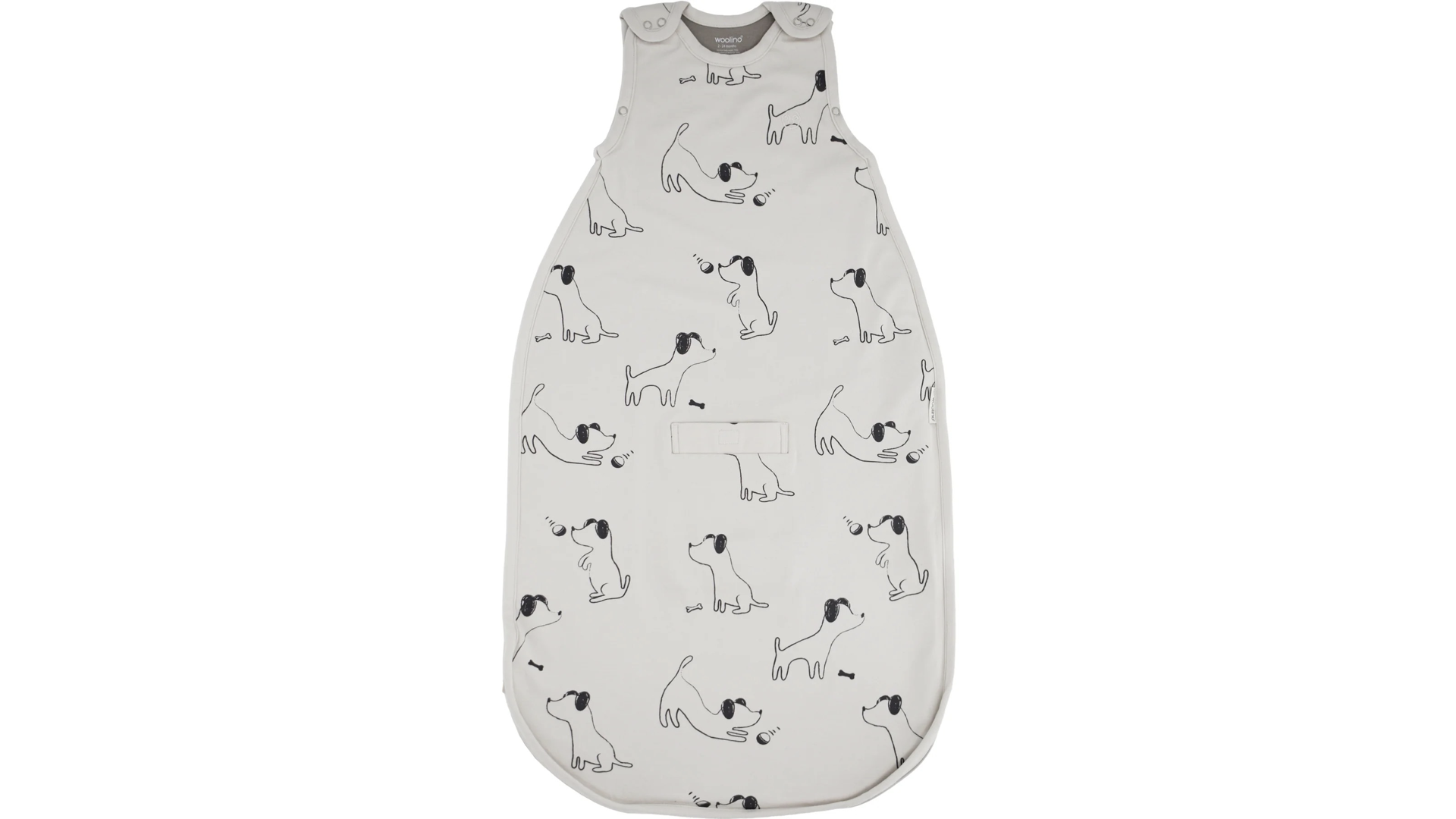
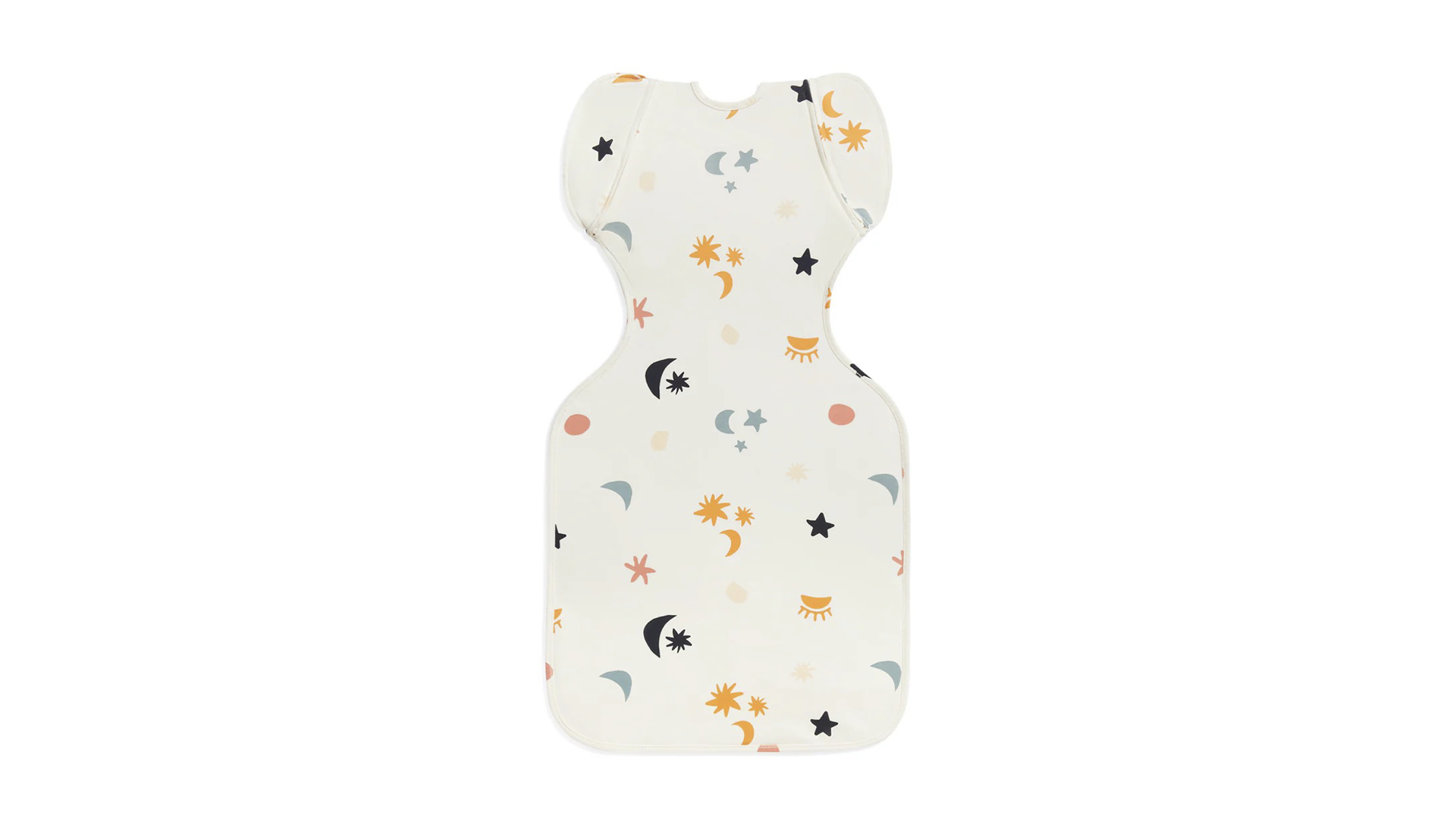
Sleep sacks come in handy once babies outgrow swaddles — usually around 4–6 months — and are often worn well into toddlerhood (commonly 2+ years, depending on the child).
They're used for long stretches every night. That means the fabric sits directly against skin for hours and often in a warm environment.
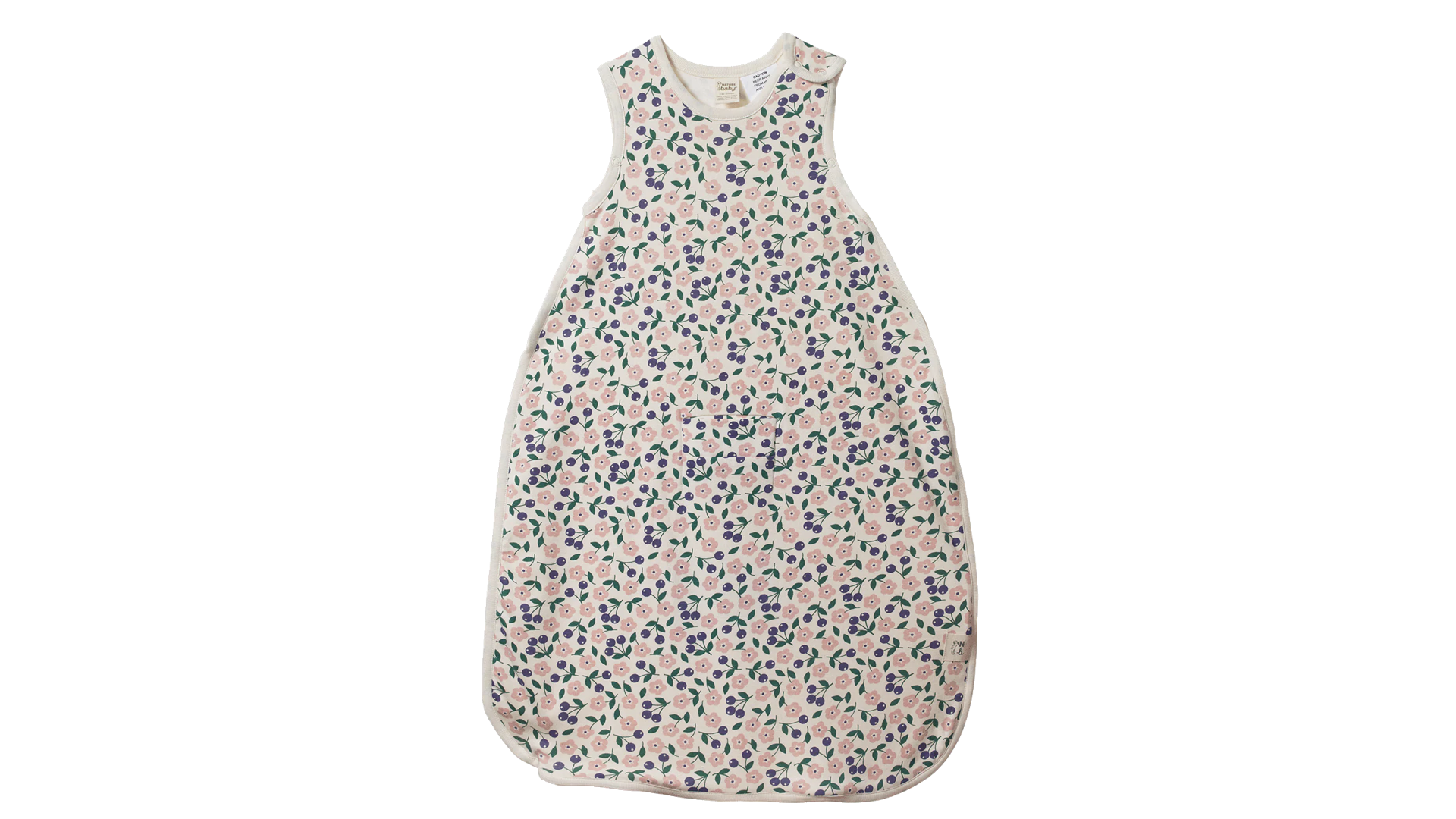
- • Two types of sleep sacks available: organic cotton & organic cotton + merino wool (better temperature regulation)
- • Breathable natural fibres across both
- • Side zip + shoulder snaps — easy dressing and changes
- • Travel slot — practical for pram/car transitions
- • Designed for room temperature (instead of fixed TOG)
- • Organic cotton is not GOTS-certified
- • Uses temperature guidance instead of TOG (less standardised)
- • Wool versions require more careful washing
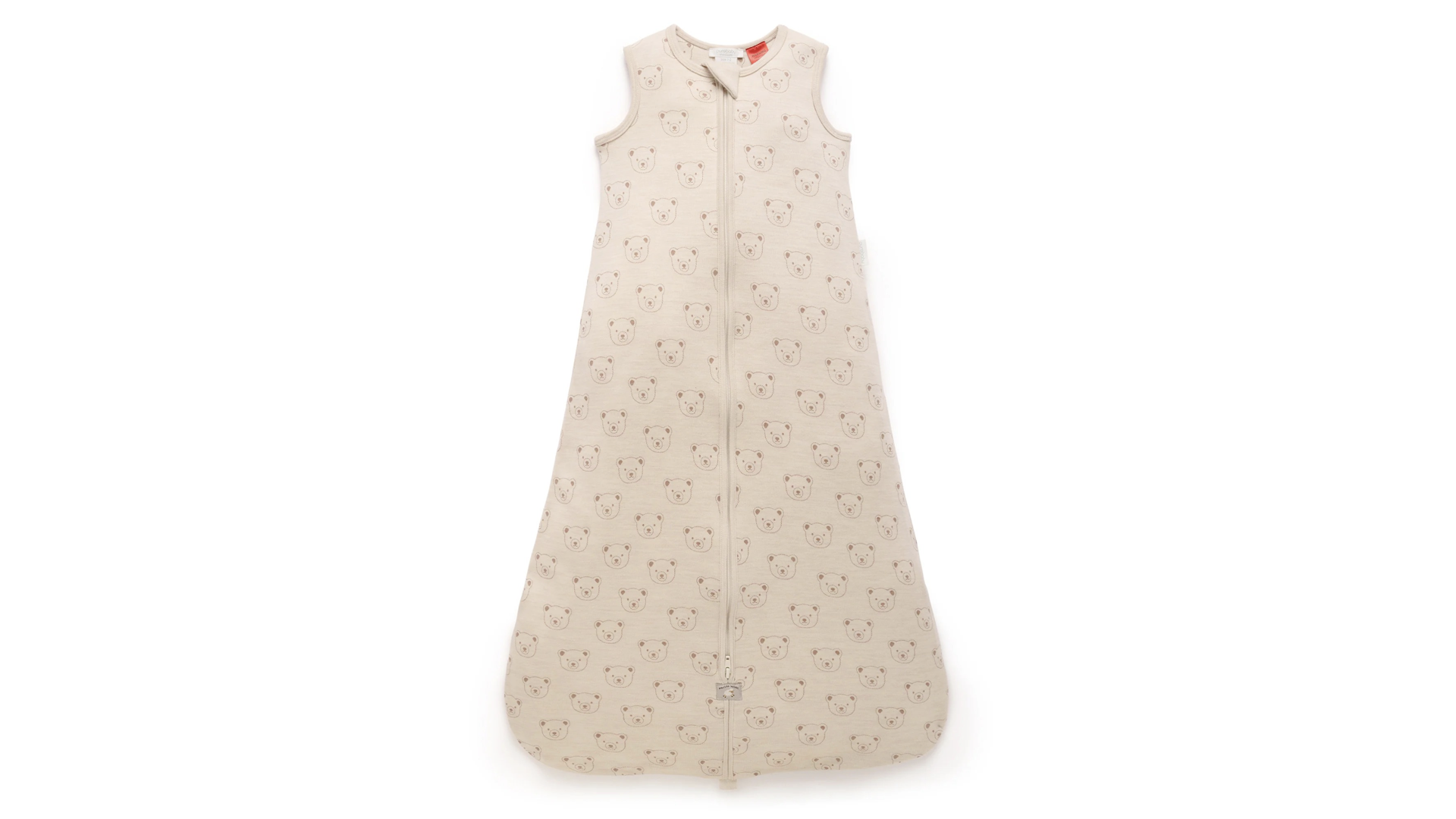
- • Merino wool outer + organic cotton lining
- • Breathable natural fibre
- • Double zip + safety fold — practical for night changes
- • Clear TOG system (e.g. 1.5 TOG)
- • Only available as a merino + cotton blend (no pure cotton option)
- • Organic cotton is not GOTS-certified
- • Fewer design features (no travel slot vs Nature Baby)
- • More relaxed, straight-cut fit (less tailored vs Nature Baby)
- • Wool requires more careful washing
- • Organic cotton used across the range (including GOTS-certified options)
- • Multiple TOG options available (0.2–3.5 TOG)
- • Breathable natural fibres across the range
- • Double zip + safety fold — practical for night changes
- • Can be used from newborn to toddler
- • Many versions use blended fabrics (bamboo viscose, elastane) vs. pure natural fibres
- • Bamboo viscose is heavily processed despite “natural” marketing
- • Transition-style designs may not appeal to everyone
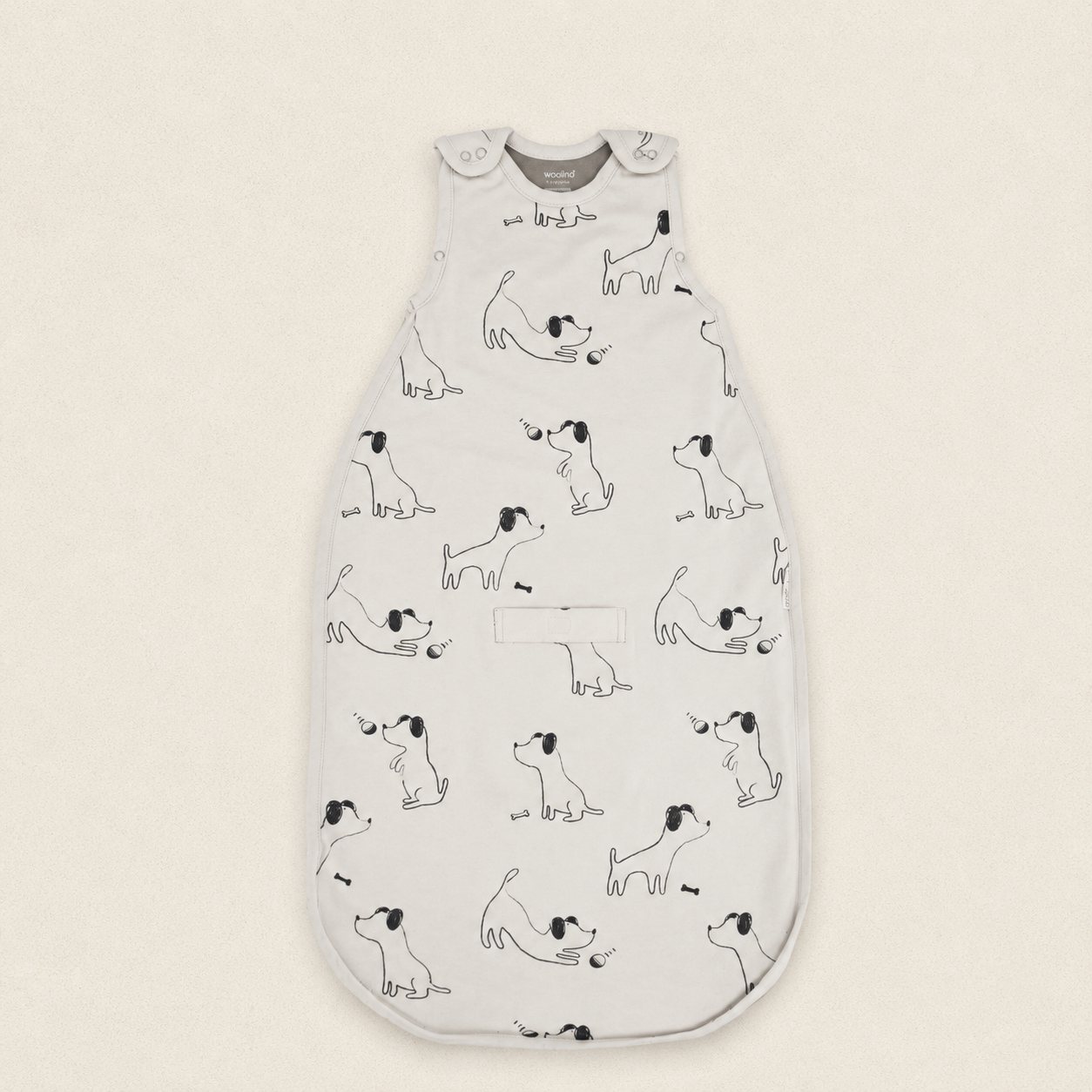
- • Multiple ranges depending on how you want to use it: Ultimate 4-Season (adjustable fit), Classic 4-Season (traditional sizing), Ecolino (GOTS-certified), etc.
- • Merino wool + organic cotton construction on 4-season ranges
- • Breathable natural fibres across the range
- • Designed for year-round use instead of separate TOG weights
- • Side zip + shoulder snaps — easy dressing and changes
- • Longer usable age range than standard sleep sacks (up to 2 years for the Ultimate range)
- • No standard TOG system — some parents may prefer fixed TOG guidance
- • Bulkier fit than lighter cotton sleep sacks
- • Wool versions require more careful washing
- • Year-round concept may feel warm for some Australian homes in summer without air conditioning
- • Organic cotton range available
- • Multiple TOG options available (1–3.5 TOG)
- • Zip-off wings allow gradual one-arm-at-a-time transition
- • Double zip + safety fold — practical for night changes
- • Snug upper fit can feel more familiar for babies moving from swaddling
- • Many versions use blended fabrics (bamboo viscose, elastane) vs. pure natural fibres
- • Organic cotton is not GOTS-certified
- • Transition-style designs may not appeal to everyone
We started with Love To Dream swaddles, so moving into their transition sleep sacks felt like the easiest next step. Being able to transition one arm out at a time made the move to arms-free sleep much smoother (especially since baby was happy to sleep arms up).
We also used ergoPouch regularly. It was easy to buy in Australia, reasonably priced and worked well for Melbourne’s more temperate weather with the right layering underneath.
As nights got colder, we moved to Woolino. The year-round design and longer lifespan appealed to us — especially knowing the Ultimate range lasts through to around two years old.