Round Up - Best Baby Bath Products
A baby’s skin is thinner, more absorbent and still developing — especially in the first 6–12 months.
Which is why we come back to a simple principle: less is more.
Most products marketed for babies aren’t essential and using multiple products — even gentle ones — can dry or irritate the skin, particularly if used too often. For young babies, water is usually enough for day-to-day cleaning, especially before solids.
The goal is to keep skin clean, supported and undisturbed wherever possible.
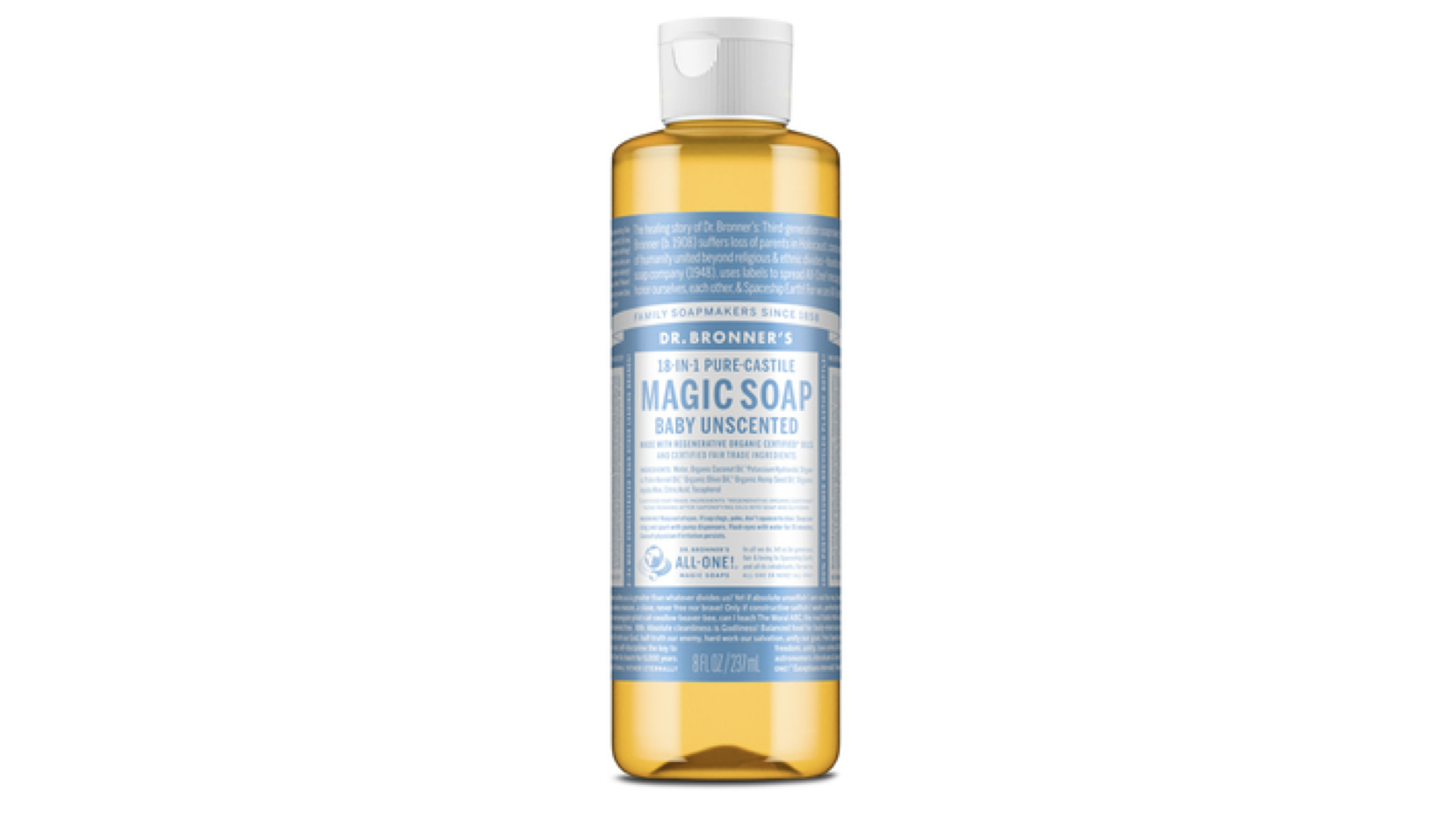
- • Very short ingredient list (simple plant oil base)
- • Fragrance-free
- • Sulfate-free (no SLS/SLES)
- • Lathers better than many ultra-minimal cleansers
- • Multi-use (body, hands, cleaning toys/surfaces)
- • Highly concentrated (a little goes a long way)
- • Can be drying if overused
- • Not tear-free — more likely to sting eyes than gentler cleansers
- • Less convenient than pre-mixed options
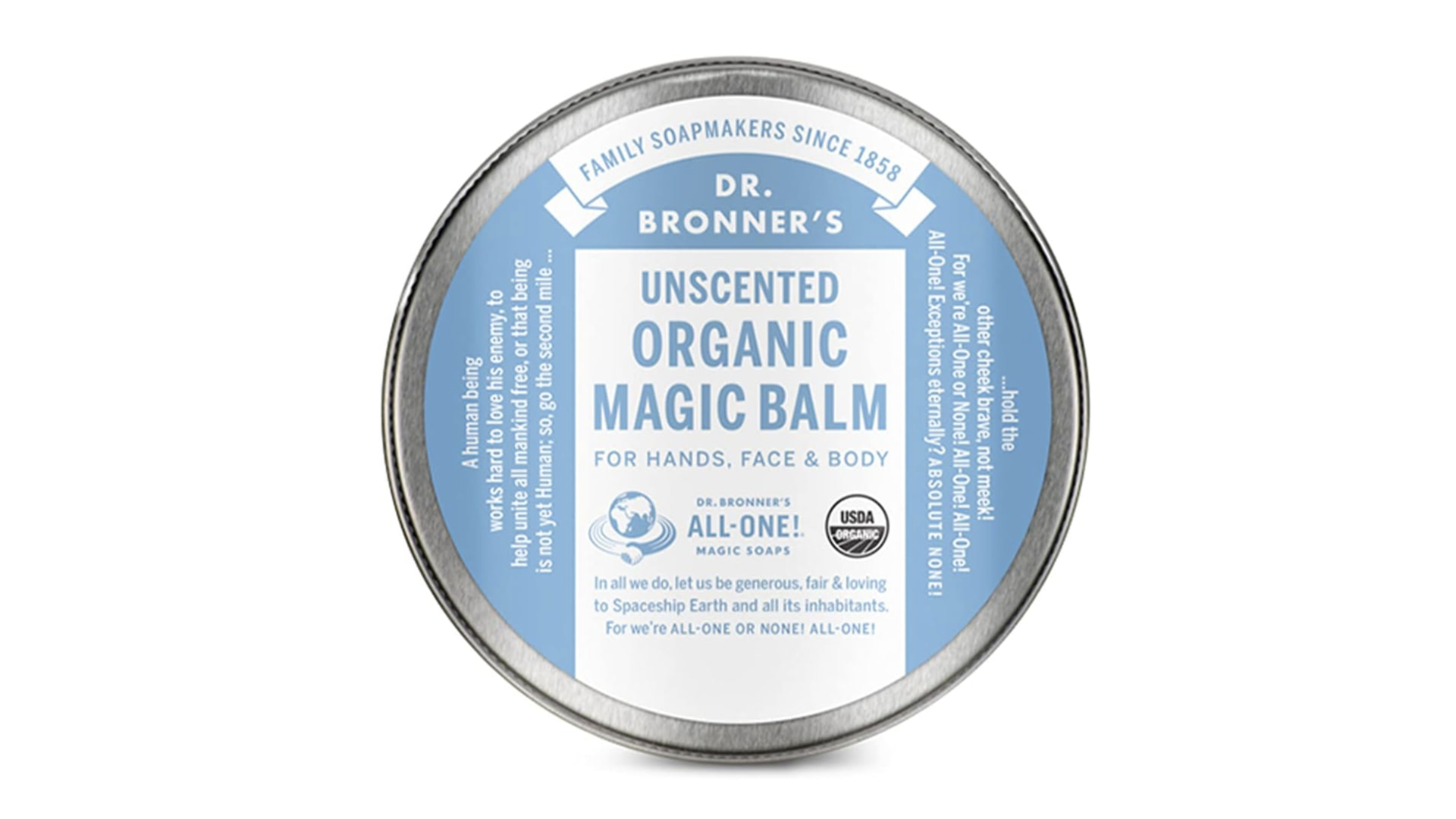
- • Very short ingredient list (simple oils and waxes)
- • Fragrance-free
- • Protective barrier for dry or irritated skin
- • Multi-use (dry patches, lips, hands)
- • Very rich — not suited to full-body daily use
- • Can feel heavy or greasy on skin
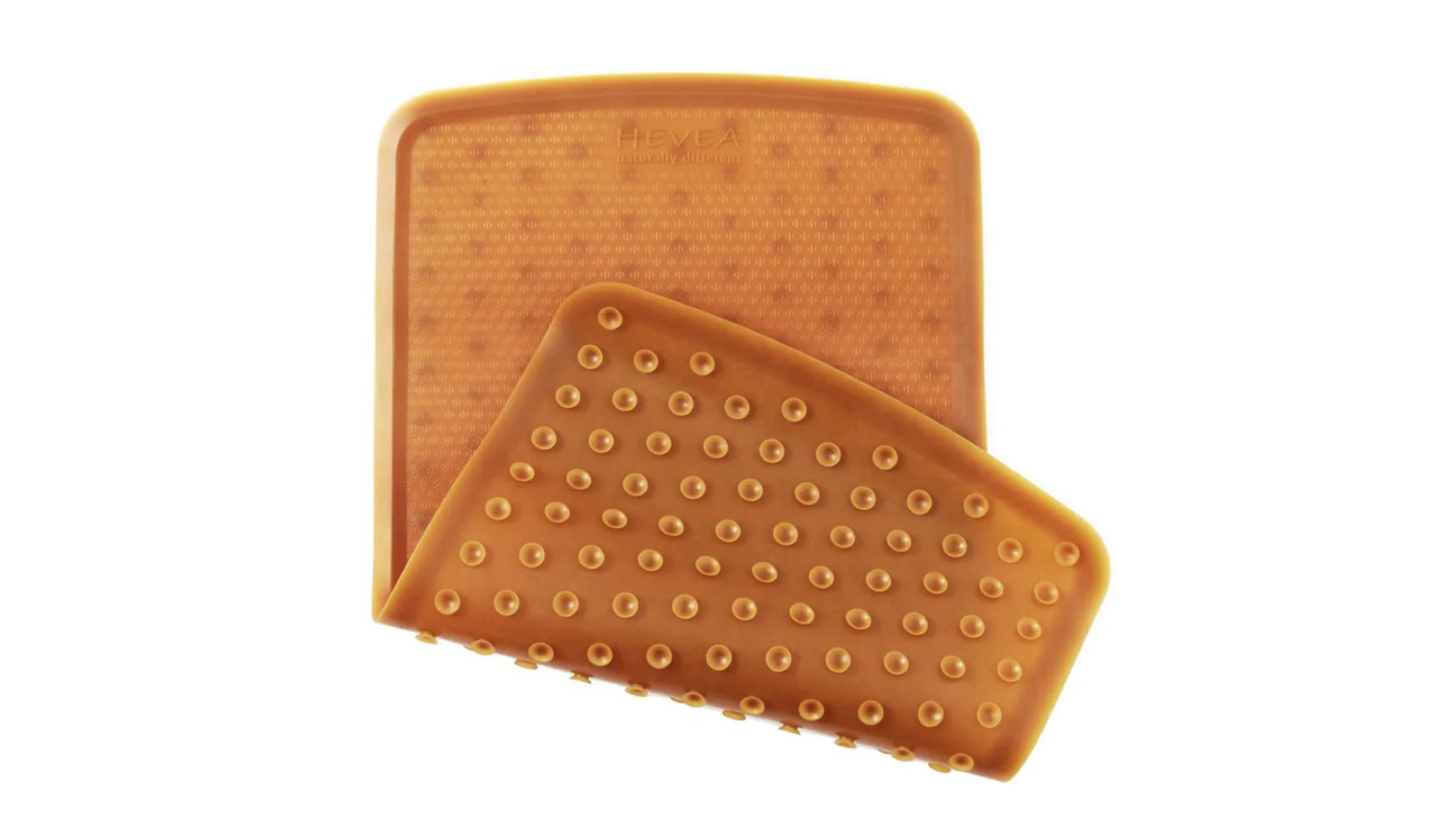
- • 100% natural rubber
- • No added chemical finishes
- • Uses natural colour pigments
- • Feels softer and less "synthetic" than PVC mats
- • Good grip - doesn't slide around once it's stuck down
- • Simple to rinse and hang up after use
- • More expensive than basic bath mats
- • Natural rubber has a slight smell at first
- • "Compostable" at end of life, but not something you can realistically compost at home
- • Needs to be dried properly or it can get mouldy over time (same as any mat)
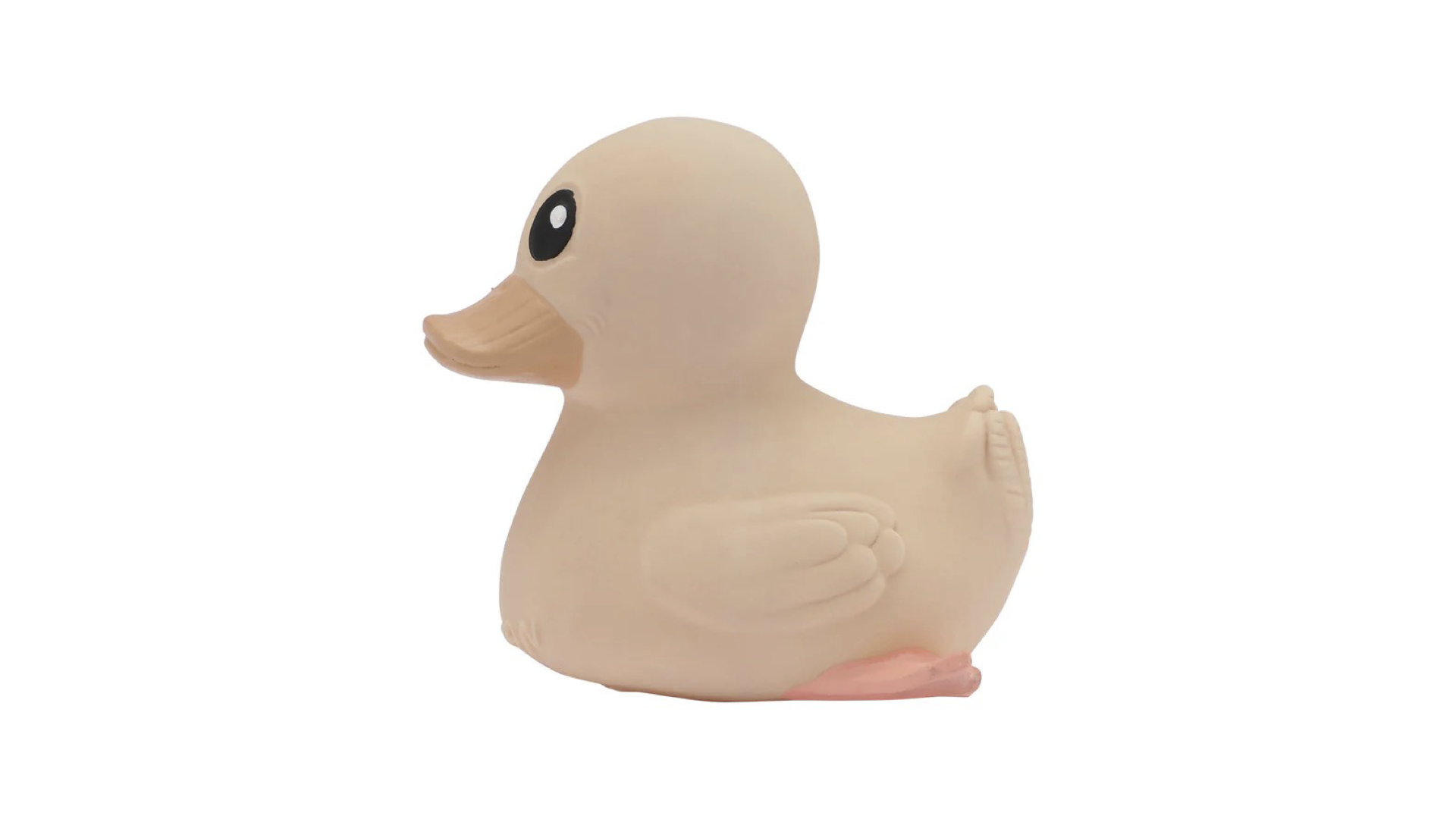
- • 100% natural rubber
- • Fully sealed (no holes → avoids mould buildup)
- • Soft grip - doubles as a teether in the bath
- • Simple to rinse and dry after use
- • Cleaner alternative to standard rubber ducks
- • Higher price for what is essentially a simple toy
- • Natural rubber has a slight smell at first
- • "Compostable" at end of life, but not something you can realistically compost at home
- • Still needs proper drying after use
- • Less engaging than traditional bath toys
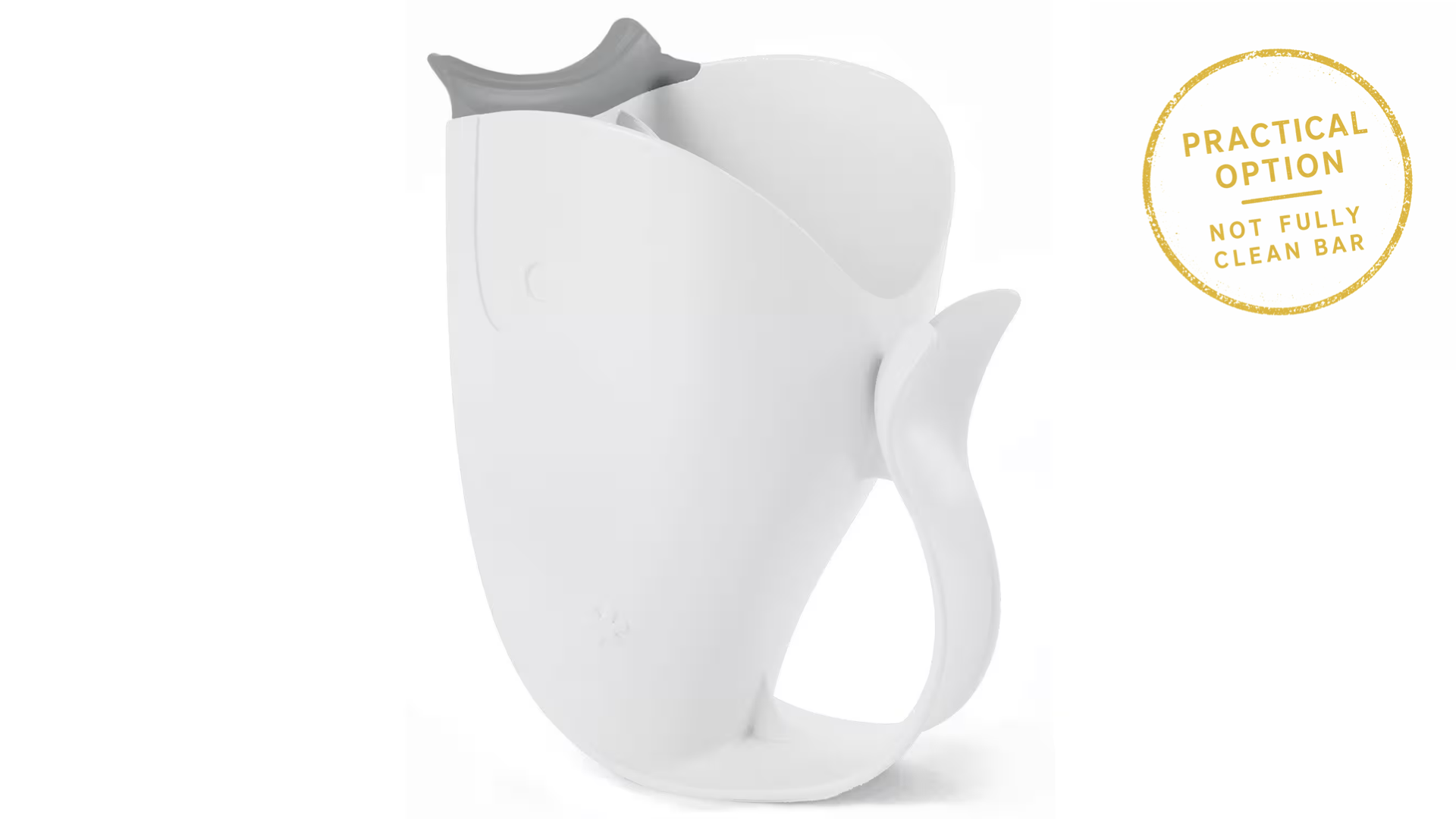
- • Controlled pour — easier than tipping cups or using your hands
- • One-handed pour (useful when holding a slippery baby)
- • Lightweight and easy to grab mid-bath
- • Made from plastic (polypropylene)
- • Not essential - a regular cup works too
- • More about convenience than necessity
- • Does not meet the Clean Bar
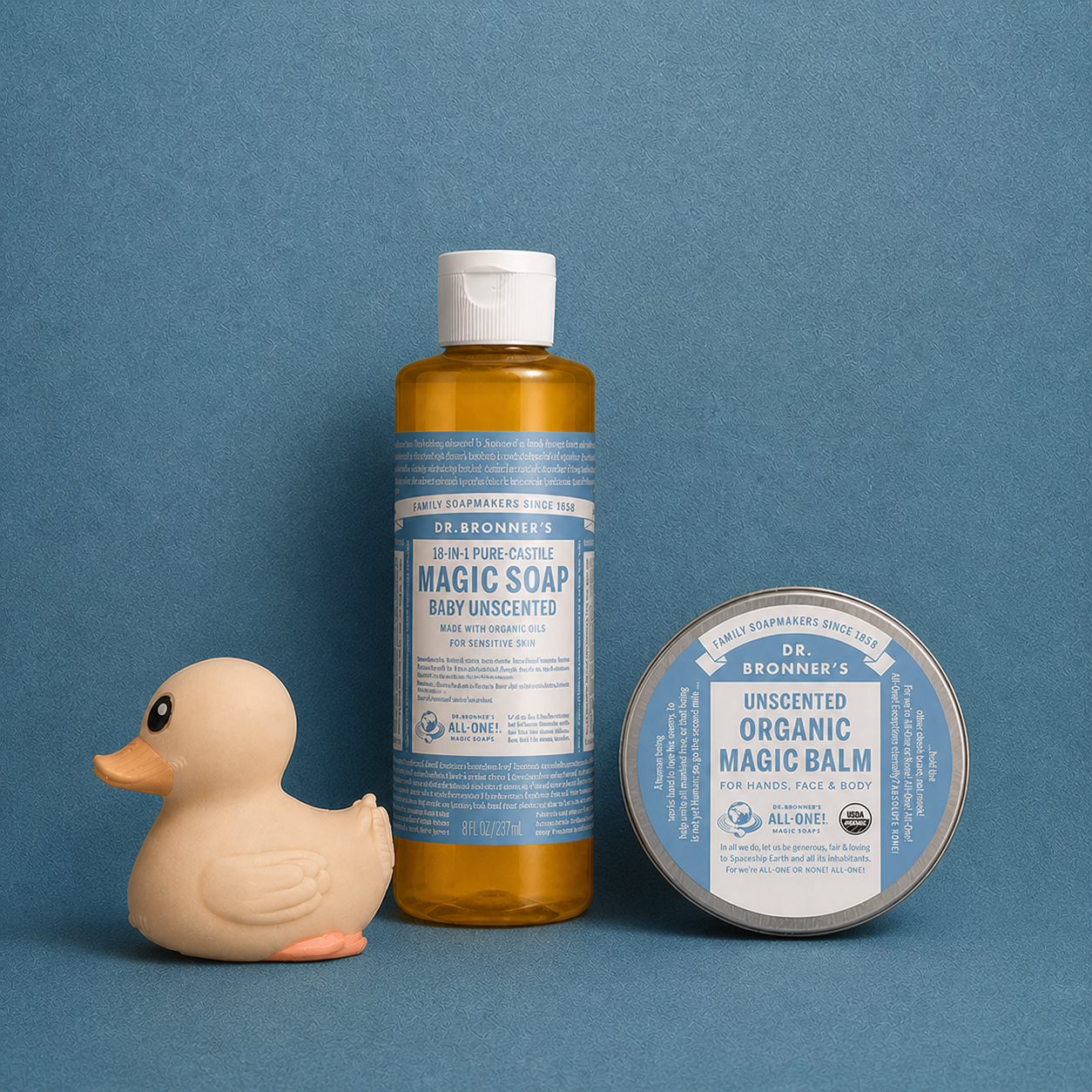
In the early months, we’d keep this very simple: water most days, and a cleanser like Dr. Bronner’s Magic Soap when needed — not as part of a daily routine. If skin is fine, you don’t need a moisturiser at all. If it becomes dry, a simple balm works well for targeted areas, like Dr. Bronner’s Magic Balm.
As your baby grows, bath time becomes more about setup than products — adding a non-slip mat, one simple sealed toy and a rinse cup tends to make the biggest difference.
Most baby bath routines are overcomplicated. You don’t need multiple washes or steps. In practice, fewer products — used consistently — is what works.