Cot Mattresses: Where It’s Worth Spending
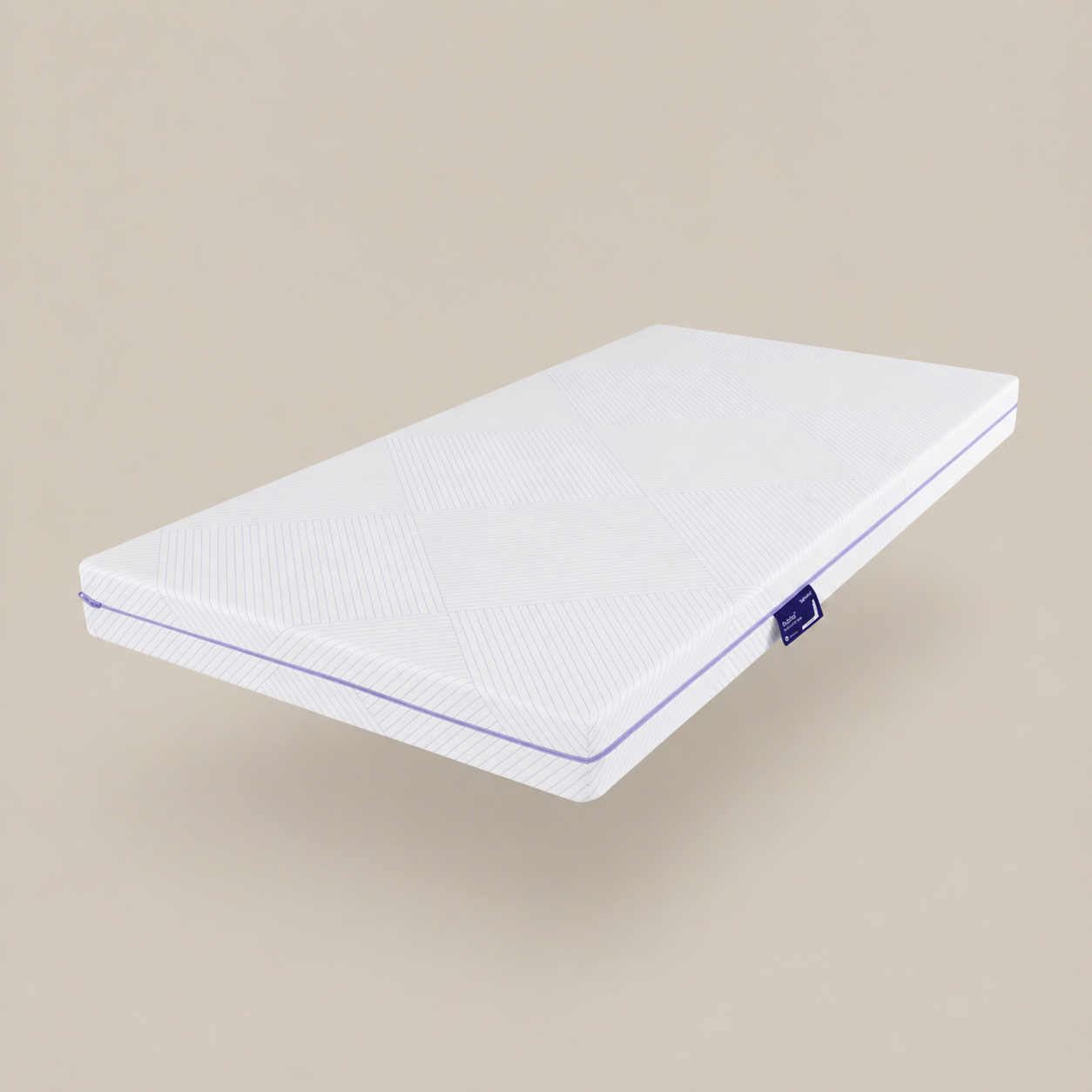
Most mattresses are built the same way: layers glued together with adhesives, usually with a foam or synthetic core. Only a small number use natural fibres.
If you’re deciding where to spend your money, start with the mattress. Babies spend long stretches on it, day and night, often with their face right against the surface. The cot can be simple, even second-hand. This is where it counts.
Cot mattresses aren't one-size-fits-all. The two most common sizes are 132 x 70 cm and 130 x 60 cm (more compact European size). Always check your cot before buying.
What matters:
1. Core material
Foam and synthetic cores vs natural fibres
2. Processing
Additional treatments, finishes and chemical inputs used during manufacturing
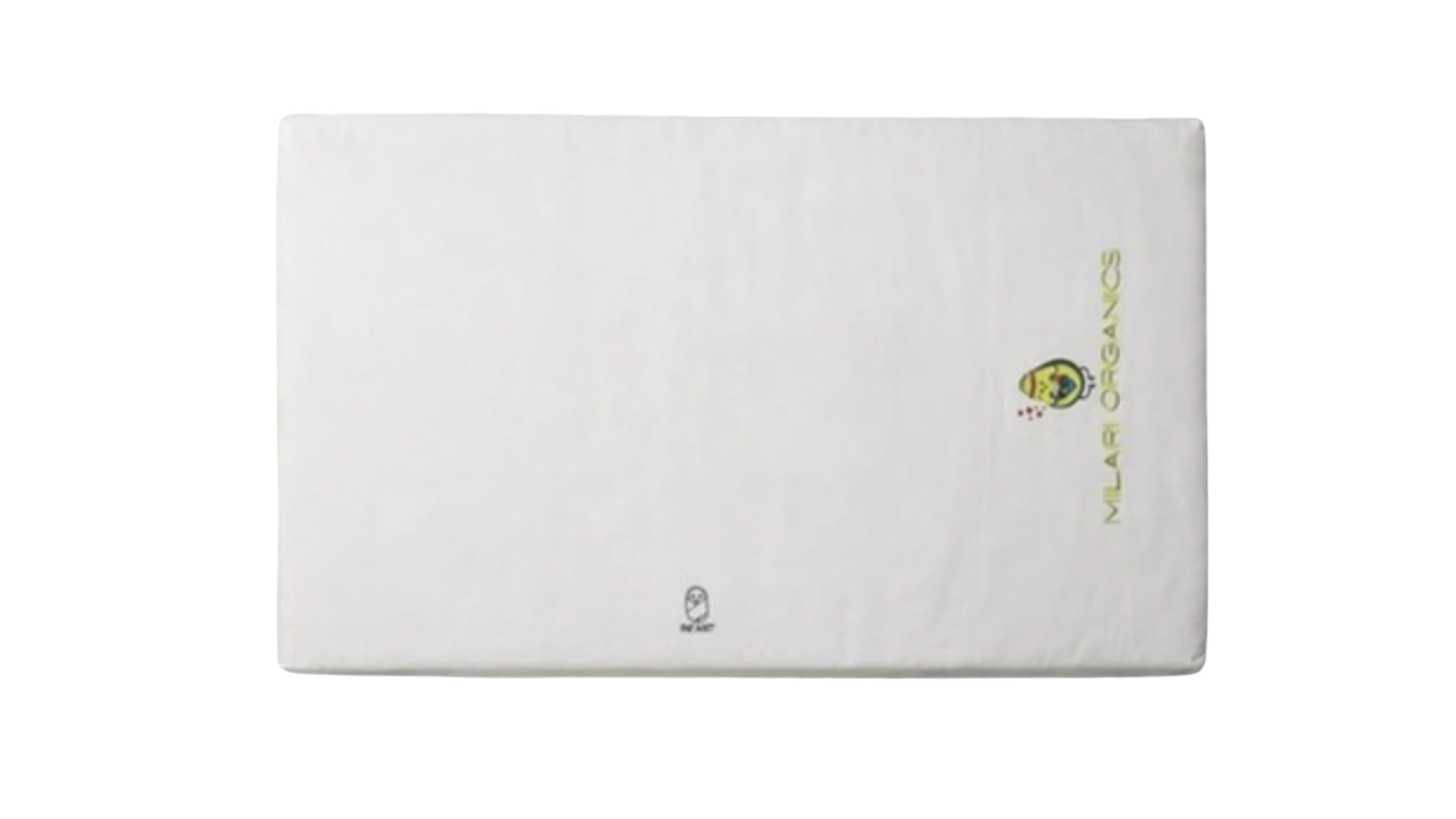
- • Natural fibre core (natural latex + coconut coir + wool) - no polyurethane foam
- • GOTS-certified organic cotton + Tencel-blend cover
- • Low-VOC positioning; explicitly states no added chemical flame retardants
- • Reversible design — firmer infant side, slightly softer toddler side (useful, but not essential — most babies are fine on a firm surface throughout)
- • Removable, machine-washable cover
- • Higher price than standard mattresses
- • Less widely available
- • Bamboo-derived fabric is processed (not a raw natural fibre)
- • Bamboo cover (soft, but processed and not a raw natural fibre)
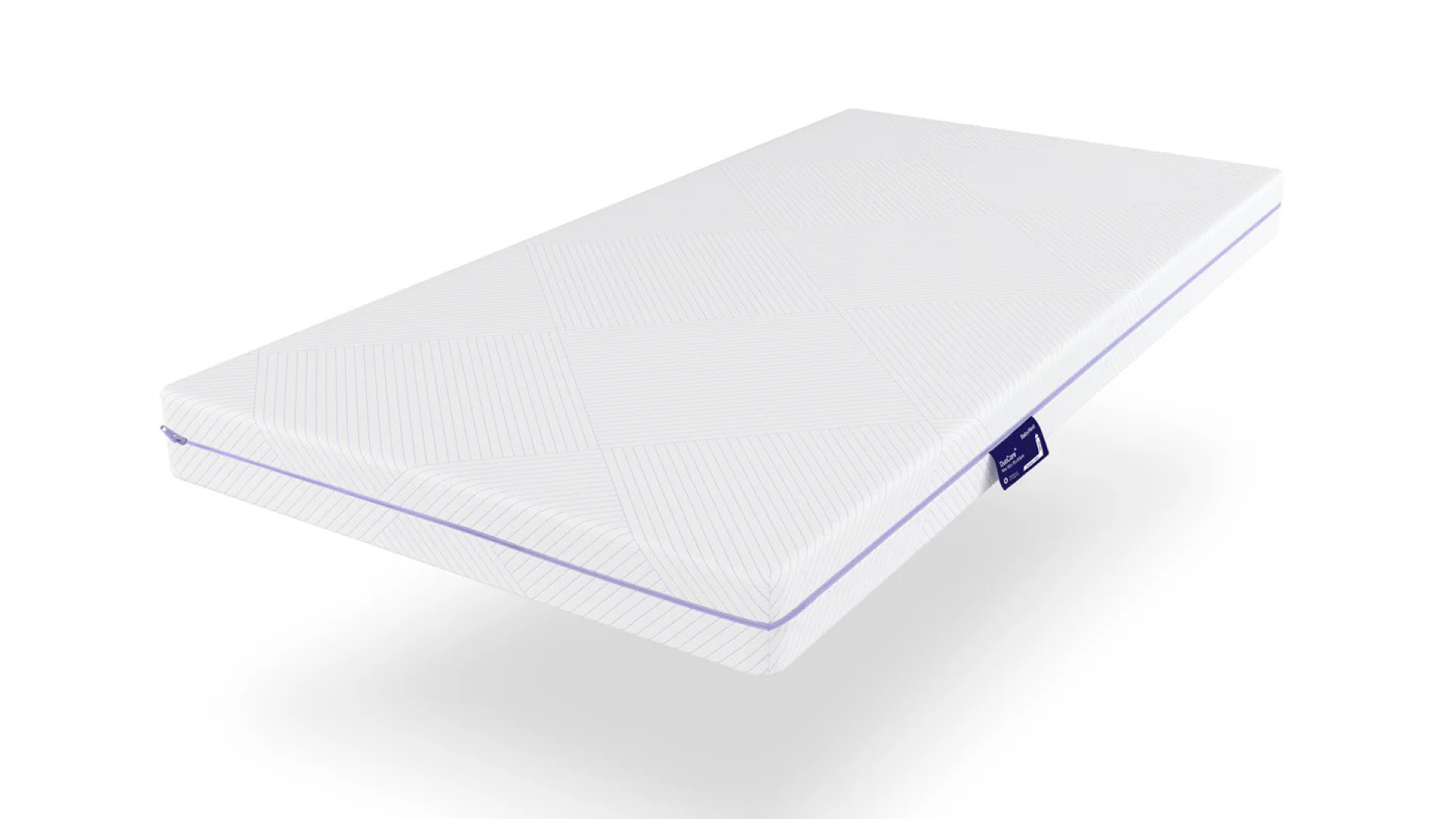
- • CertiPUR-US certified foam / low-VOC positioning
- • Reversible design — firmer infant side, slightly softer toddler side
- • Easy to find across major retailers
- • Synthetic foam core
- • No explicit no-added-flame-retardant disclosure
- • Heavy use of certifications and treatments (e.g. OEKO-TEX, airflow layer, Global GreenTag, antimicrobial treatments, awards) — useful for screening harmful substances, but not a substitute for simpler materials
- • Removable, machine-washable cover
- • Core can also be washed (e.g. in the shower or bath)
- • Reversible design — firmer infant side, slightly softer toddler side
- • More transparent about materials than many mass-market synthetic mattresses
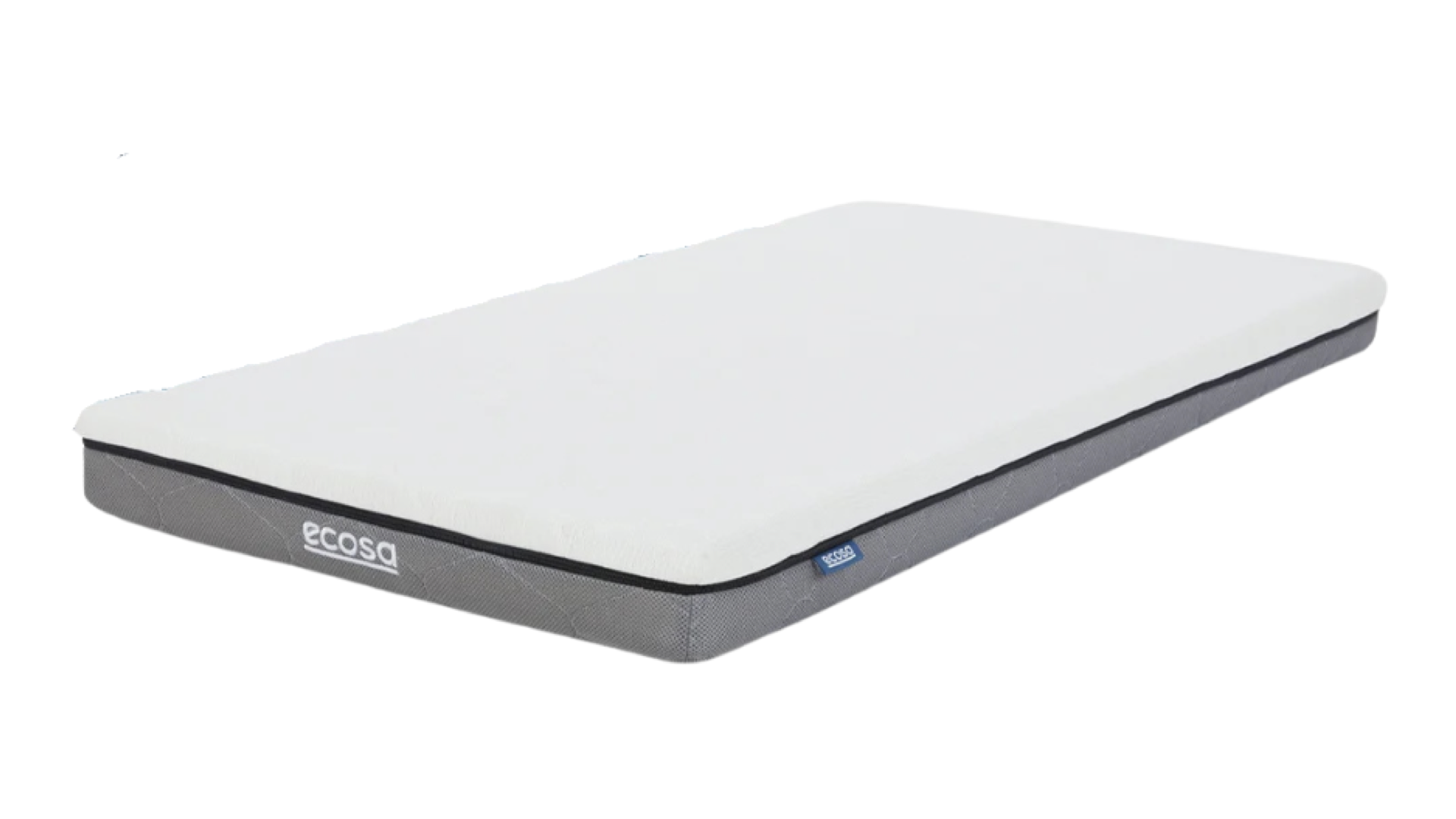
- • Fully synthetic materials (core and cover)
- • Synthetic elastomer core (avoids traditional poly foam)
- • Firmer, more structured feel — less cushioning than foam or padded mattresses
- • Marketed as chemical-free / low-toxin but detailed VOC disclosure is limited
- • No explicit no-added-flame-retardant disclosure
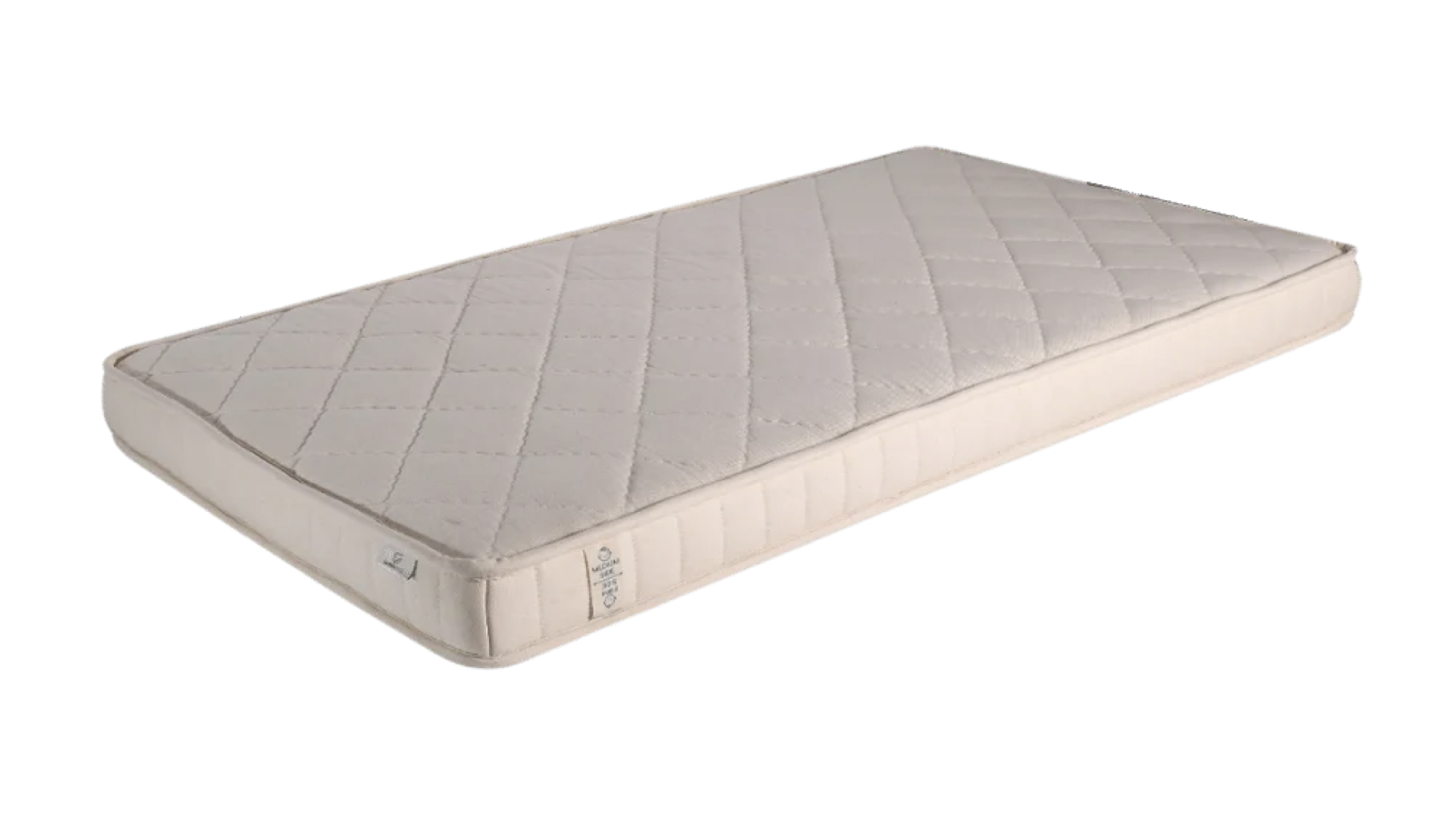
- • Organic natural fibre core (latex + coconut coir) - no polyurethane foam
- • GOTS-certified organic cotton + wool cover
- • States no added glue/adhesives or formaldehyde / low-VOC positioning
- • Reversible design — firmer infant side, slightly softer toddler side
- • Higher price than standard mattresses
- • Less widely available
- • No explicit no-added-flame-retardant disclosure
A cot mattress gets used every day, for long stretches — so this is where we’d prioritise the cleanest materials.
We’d choose Milari Organics. It’s one of the few mattresses built primarily from natural materials, avoiding the synthetic foams and plastic layers used in most mass-produced options.
It’s also practical. The removable, machine-washable cotton cover makes day-to-day life easier with leaks and spit ups.
Pair it with a simple organic cotton fitted sheet, for instance Nature Baby. In the early months, a wool or organic cotton–topped waterproof protector is also a nice-to-have addition — for example Little Human Linens.