Best Non-Toxic Baby Sunscreen
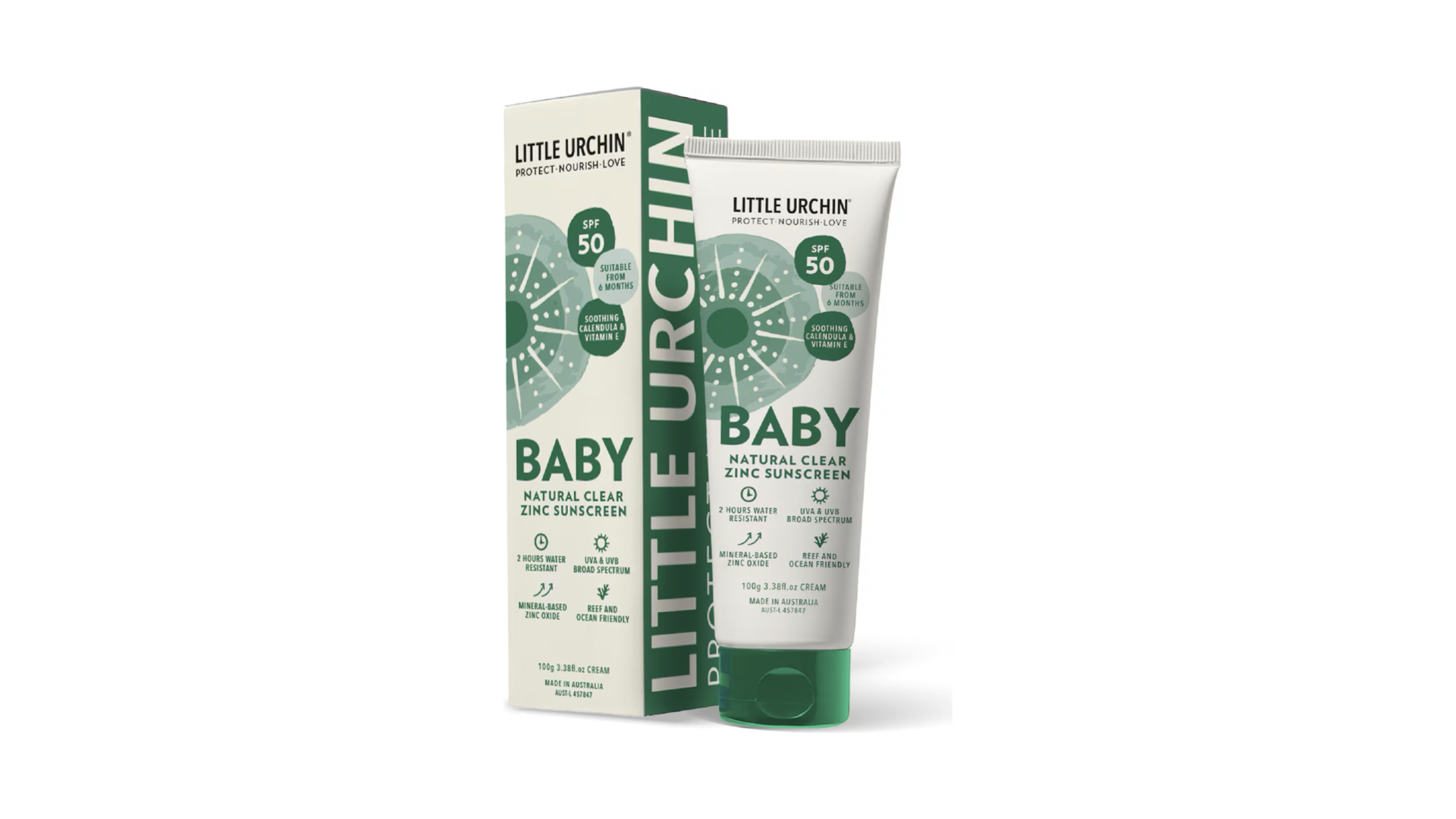
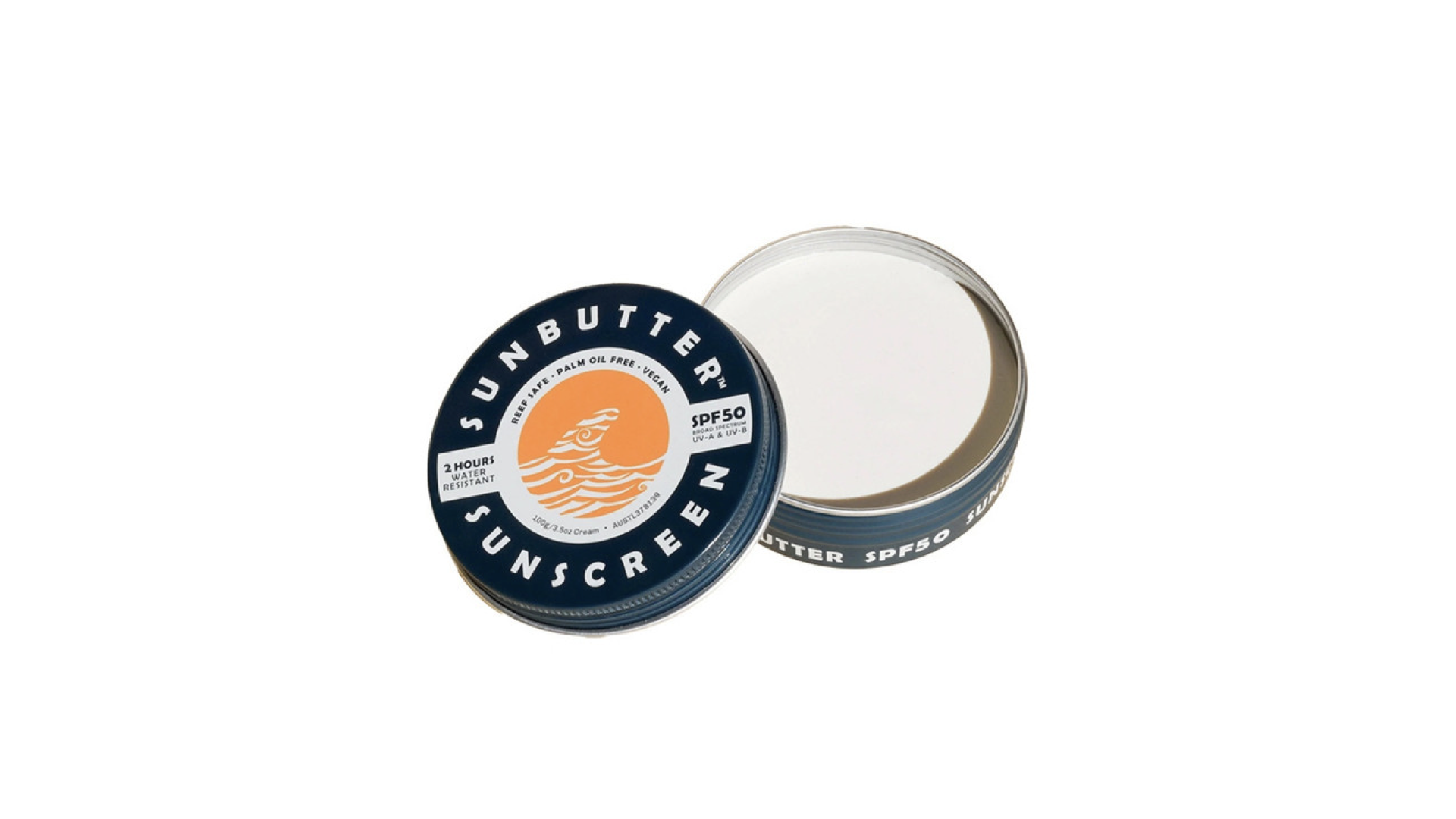
The sun in Australia is harsh — and baby skin is thinner, more delicate and more vulnerable to damage.
In the first 6 months, sunscreen isn’t the primary line of defence. The guidance is simple: prioritise shade, clothing, hats and pram covers. Small amounts of sunscreen can be used on exposed areas if needed.
After 6 months, sunscreen becomes part of daily sun protection. And this is where it gets confusing.
Most baby sunscreens are labelled “gentle,” “natural,” or “for babies,” but those terms don’t explain how the sunscreen works — or what ingredients are actually used.
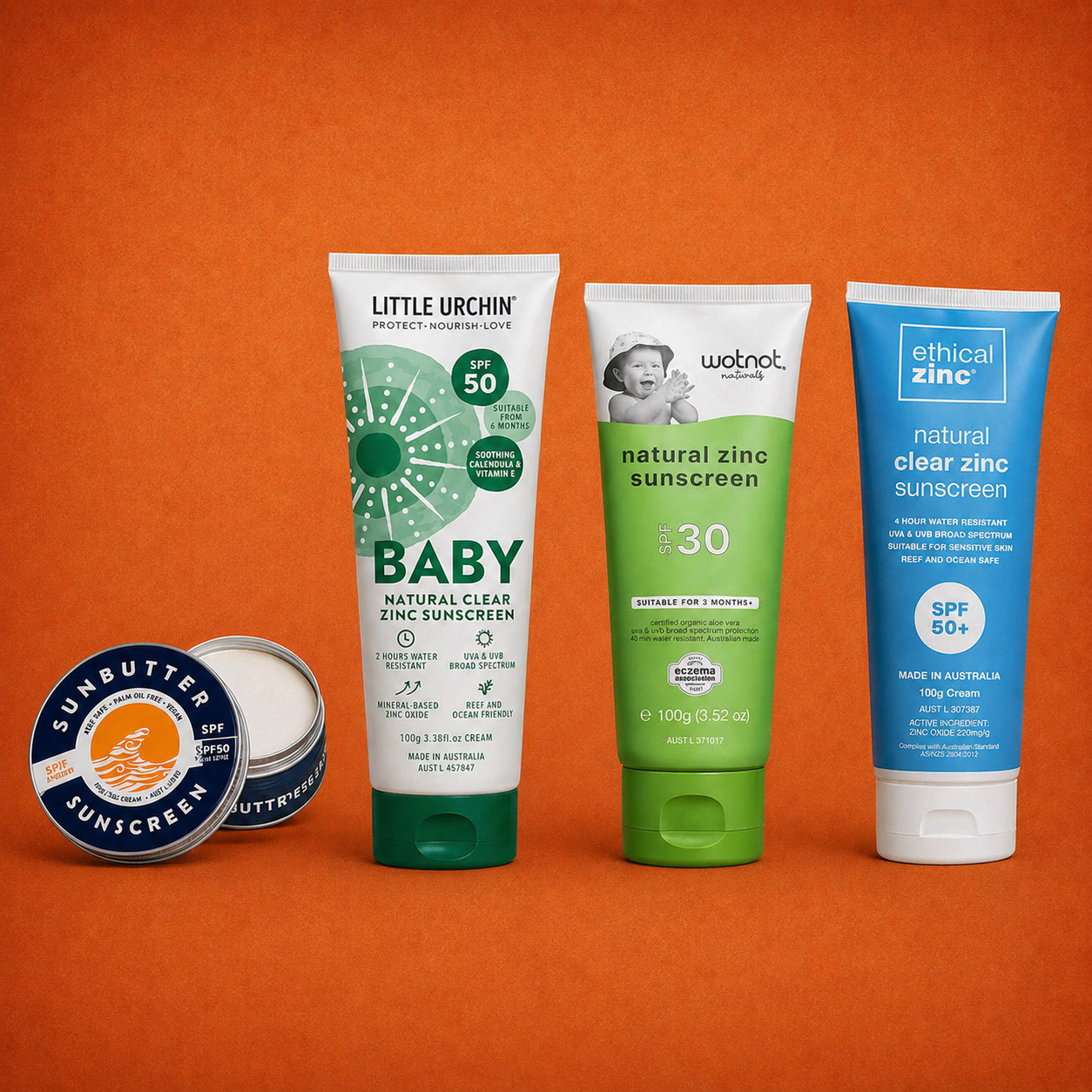
- • Zinc oxide (non-nano) with plant oils, waxes and stabilisers
- • Fragrance-free
- • Thicker, balm-like texture — requires more rubbing to spread evenly
- • Available in SPF 50+ (also comes in SPF 30 if you want a lighter option)
- • “Kids” version includes soothing ingredients (aloe vera, chamomile)
- • Australian made
- • Takes more effort to apply than water-based formulas
- • Leaves a visible white cast
- • Can transfer onto hands, clothing and pram fabrics
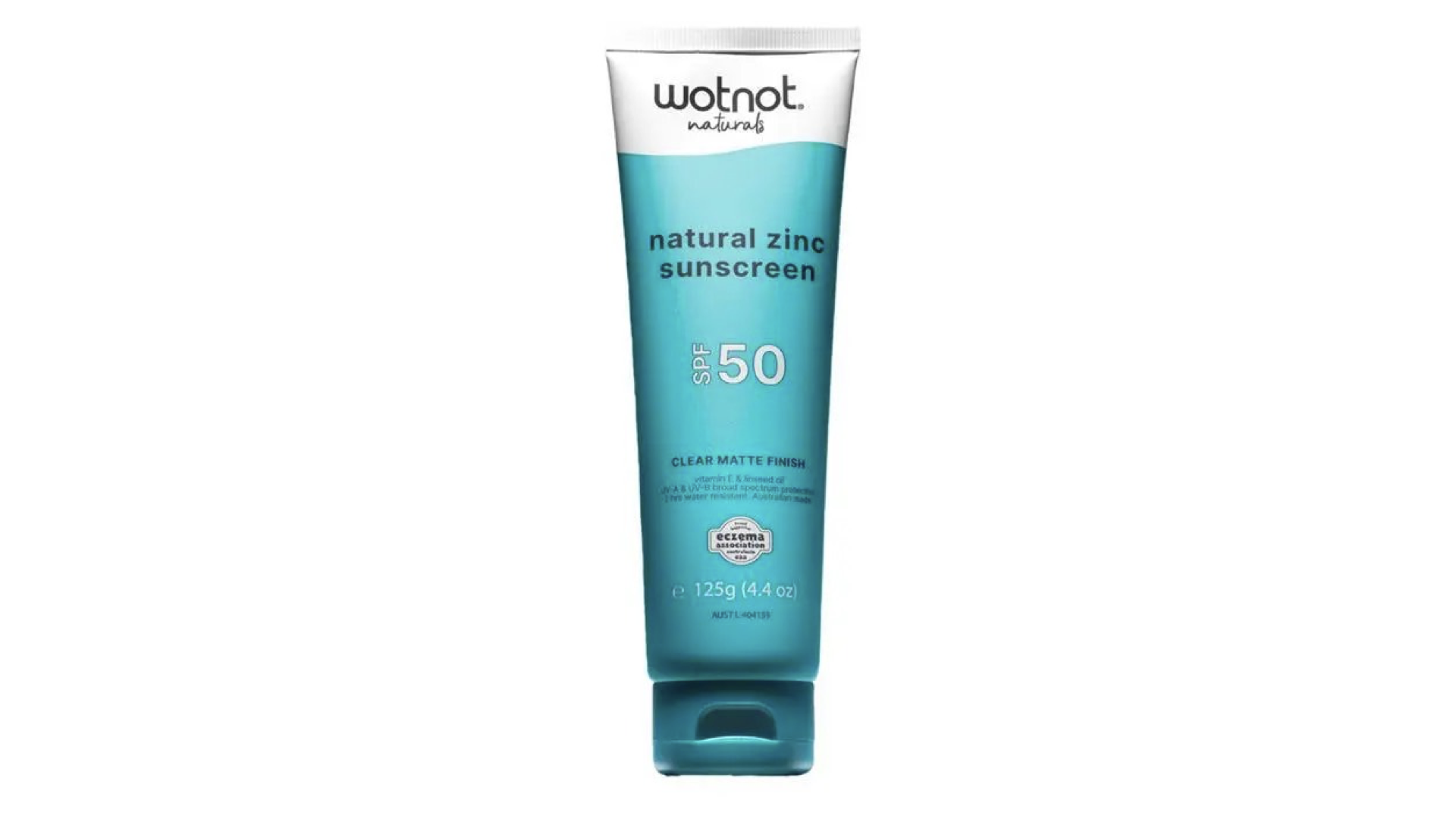
- • Zinc oxide (non-nano) in a water-based formula with plant oils, butters, waxes and emulsifiers
- • Water-based formula — spreads more easily than most zinc sunscreens
- • Available in SPF 50+ (also comes in SPF 30)
- • "Baby" version is SPF30 and a slightly softer variation
- • Australian made
- • Still requires effort to apply evenly (like all mineral sunscreens)
- • Leaves a visible white cast
- • Not fully fragrance-free (uses a naturally derived preservative with a light scent)
- • Can transfer onto hands, clothing and pram fabrics
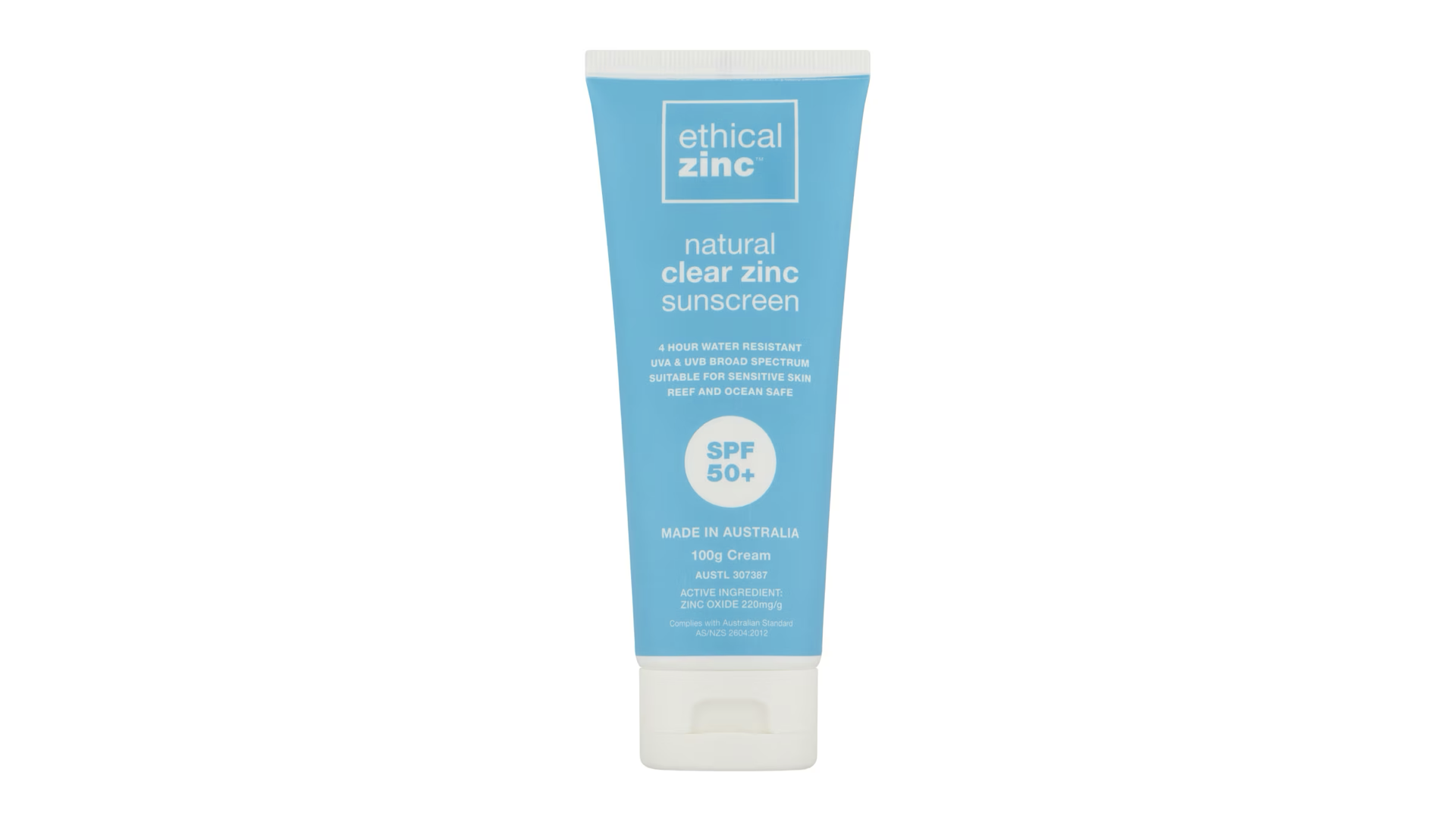
- • Zinc oxide (non-nano) with plant oils, waxes and stabilisers
- • SPF 50+ for high UV environments
- • Widely available and easy to repurchase
- • Australian made
- • Very thick, paste-like texture — difficult to spread evenly
- • Leaves a visible white cast
- • Requires significant effort to apply
- • Contains added fragrance (vanilla)
- • Can transfer onto hands, clothing and pram fabrics
- • Zinc oxide (non-nano) with plant oils, waxes and fewer overall ingredients
- • Fragrance-free
- • One of the simplest formulations available
- • Australian made
- • Thickest, balm-like texture — hardest to spread of all options
- • Leaves a visible white cast
- • Requires significant effort to apply evenly
- • Best suited for targeted use rather than full-body daily use
- • Can transfer onto hands, clothing and pram fabrics
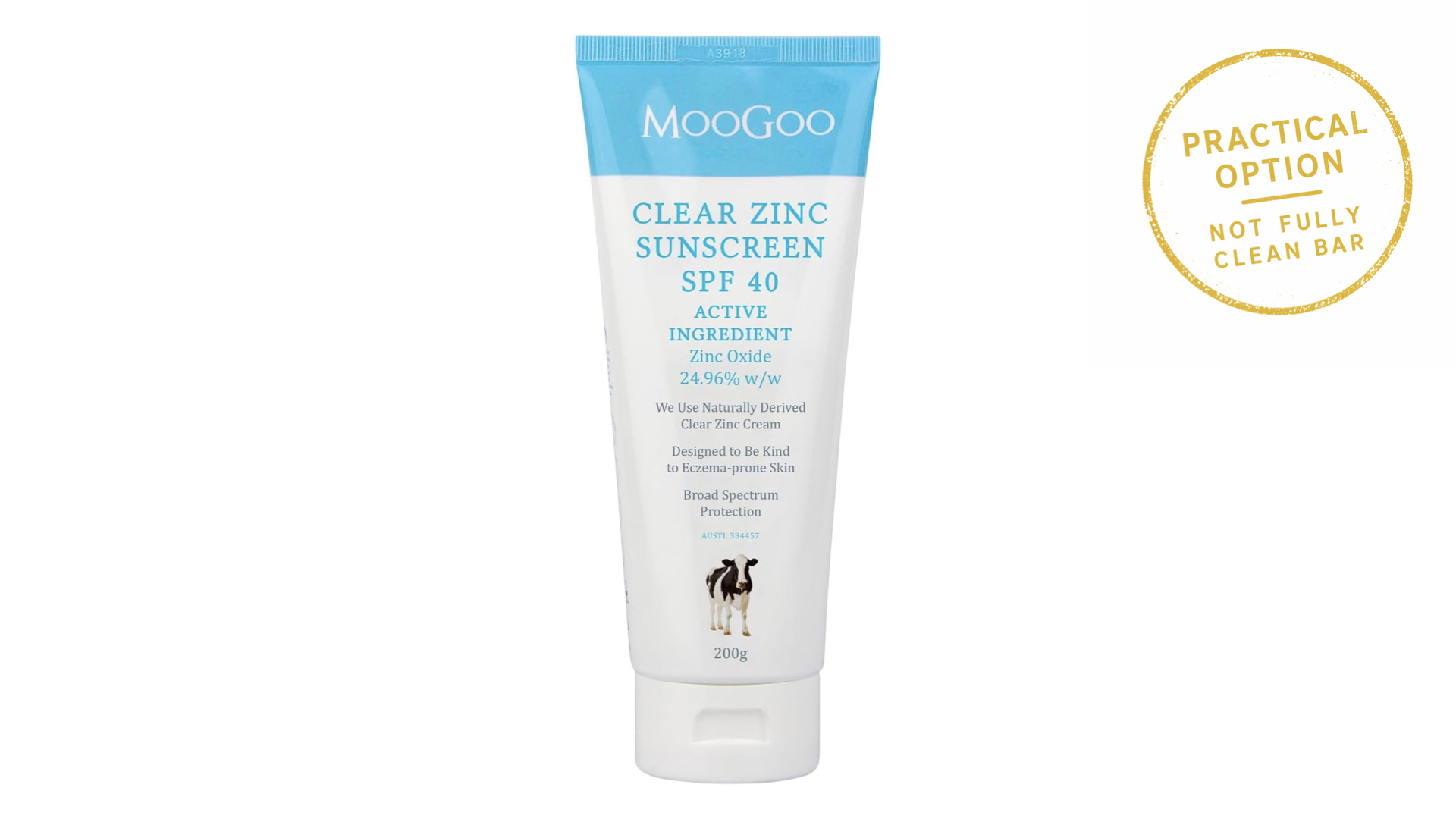
- • Zinc oxide (non-nano) in a water-based formula with oils, waxes and emulsifiers
- • Fragrance-free
- • Easiest to spread out of all the options — lighter, more fluid than other zinc sunscreens
- • Requires less rubbing, which can help on sensitive or reactive skin
- • Australian made
- • Lower SPF (40 vs 50+) - reason it doesn't fully meet the Clean Bar
- • Leaves a visible white cast
- • Still requires some effort to apply evenly
- • Can feel slightly greasy or leave a light residue
- • Can transfer onto hands, clothing and pram fabrics
The best sun protection is still shade — staying out of direct sun, covering up and using hats and pram covers, especially in those early months when baby skin is more delicate.
Our pick is Little Urchin SPF 50+. It’s easy to buy at Woolworths and lighter than most SPF50+ zinc formulas. We’ve also started using the same sunscreen ourselves. With constant contact — holding, feeding, cuddling — it’s just easier to use one mineral sunscreen for the whole family.