Where We’d Spend (And Save) on a High Chair
A high chair gets used multiple times a day, every day, for months — often years. And unlike plenty of baby gear that gets packed away quickly, this one tends to live in the middle of your kitchen or dining room.
For babies starting solids, posture matters more than most parents realise. A properly supported seat — with feet planted and knees bent comfortably — can make self-feeding easier, safer and less frustrating.
Then there’s the material question.
This is one of the few baby products your child touches constantly, mouths regularly, eats directly off and sits in through multiple messy meals a day. So if you care about reducing unnecessary plastic exposure, coatings, or vague material claims, high chairs are one category worth being selective about.
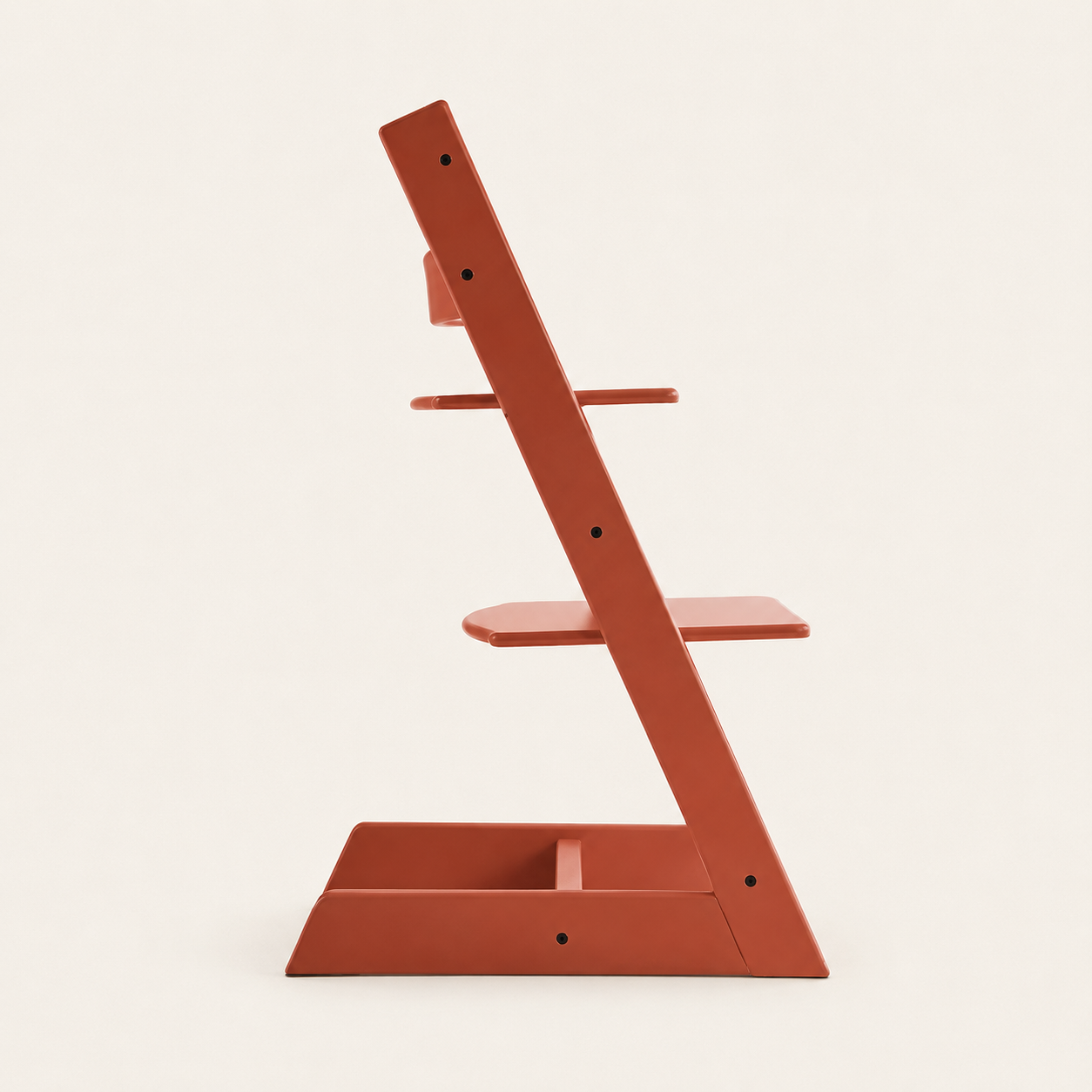
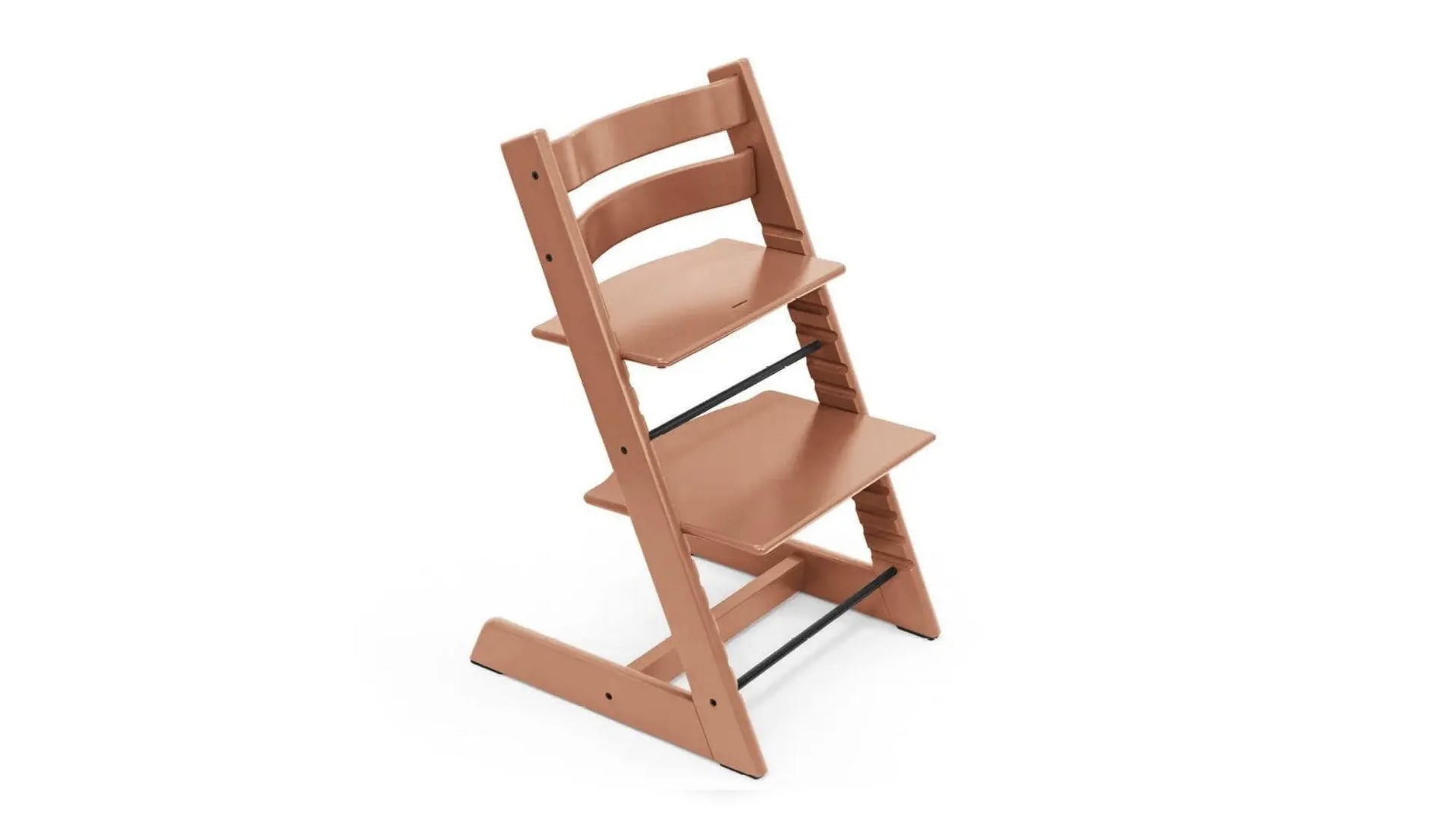
- • Solid European beech or oak construction for the chair itself
- • Clear material disclosure, including water-based paint + BPA-free and phthalate-free
- • Fully adjustable seat and footplate
- • Meets recognised international high chair safety standards, with a 50+ year track record
- • One of the very few chairs that genuinely grows with your child — from newborn to adulthood
- • Strong resale value, which helps offset the upfront spend.
- • Plastic comes into the equation once you add the baby accessories:
- Newborn Set (~$199)
- Baby Set (~$149)
- Tray (~$99) if you want an independent feeding setup
- • That pushes a realistic baby setup to $750+ quickly
- • While the multi-age proposition is genuine, you’re paying extra at each stage to unlock it
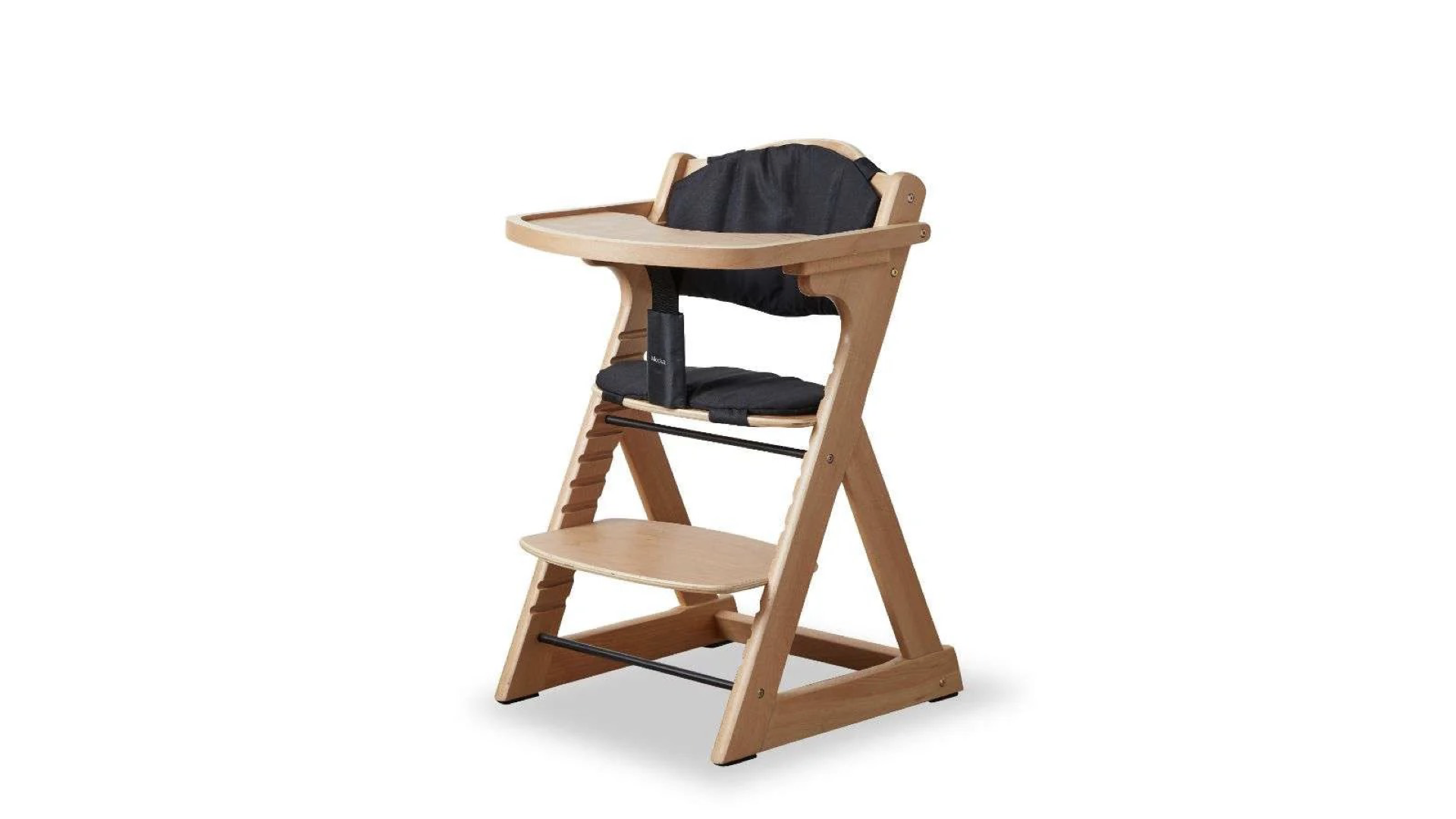
- • Solid beech, birch and poplar construction
- • Clear material disclosure, including water-based paint
- • Includes tray, harness and safety strap
- • Fully adjustable seat, footplate and tray
- • Excellent parent feedback as a practical Tripp Trapp alternative at a fraction of the price
- • Not a true newborn-to-adult chair like Tripp Trapp
- • Lower 20kg weight limit means shorter lifespan
- • Some synthetic materials in accessory components (harness/fabric parts)
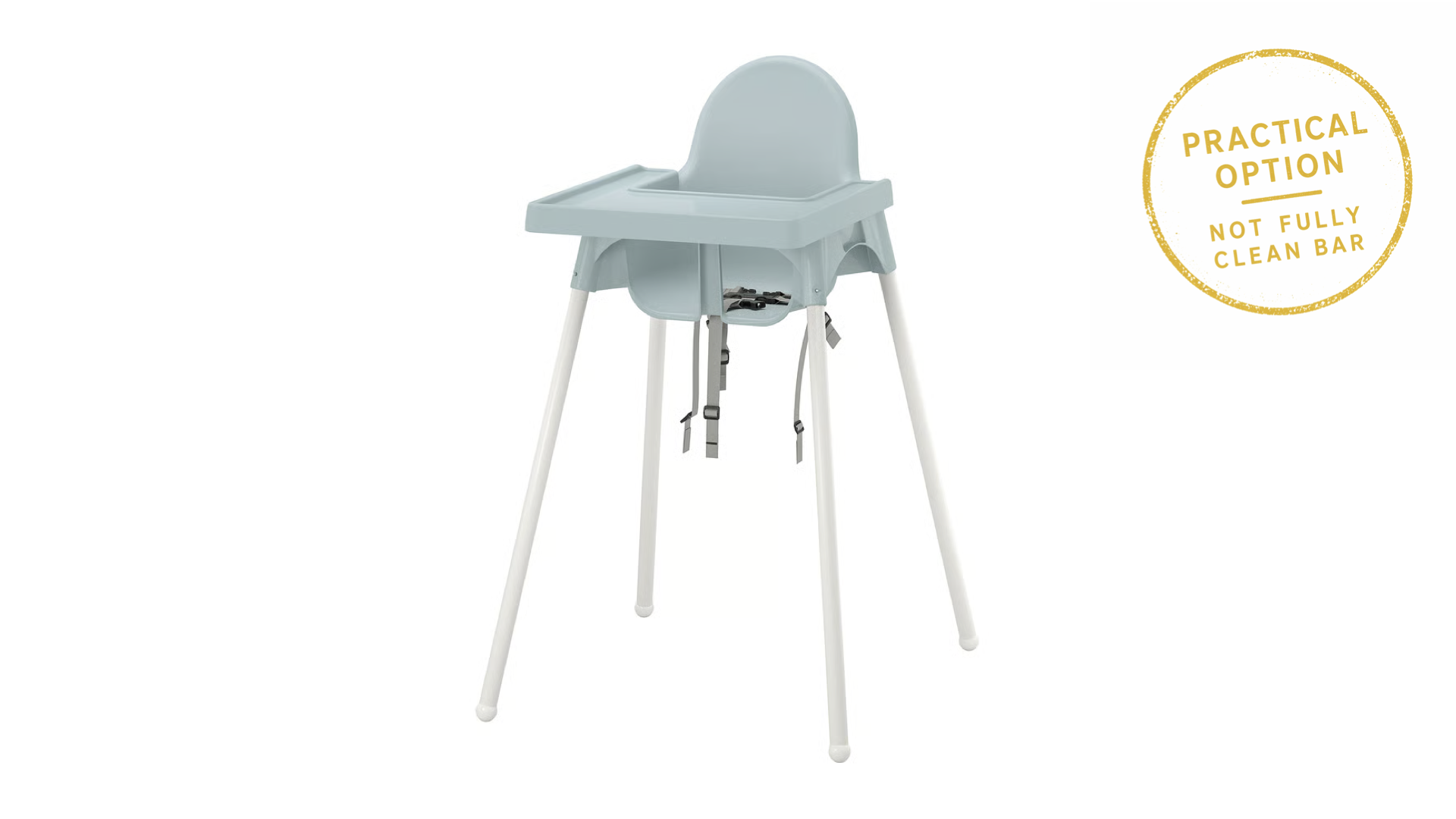
- • Clear material disclosure - polypropylene plastic with steel legs
- • Lightweight, easy to clean, easy to move
- • Footrests can be added from other retailers (like Etsy)
- • Very affordable
- • Uses plastic
- • Shorter lifespan and won’t grow with your child for years
- • Less ergonomic with no adjustable footrest or seat positioning
- • Does not meet the Clean Bar
This is exactly where high chair shopping gets confusing. One parent says the $25 IKEA chair is all you’ll ever need. Another swears by the Tripp Trapp. Add to that the fact that baby costs stack up quickly and the practical option starts looking very convincing.
That’s exactly where many parents land.
The IKEA Antilop has genuinely rave reviews, and for good reason. It’s lightweight, easy to clean, no-fuss and at $25, hard to argue with.
But it doesn’t meet our Clean Bar.
High chairs are high-contact products. Babies sit in them daily, touch every surface, mouth straps, lick trays and spend long stretches eating in them. So for us, materials matter more here than they might in some other categories. That said, we also understand the reality: not every family wants to spend $500+ on a high chair when the baby list is already endless.
If budget is the sticking point, we’d seriously look at a second-hand Tripp Trapp before buying new. They’re built to last, easy to find pre-loved and one of the few baby products where buying second-hand makes a lot of practical sense.
So yes, the IKEA absolutely earns its place as the practical wildcard. But if you’re buying once and thinking longer term — for durability, ergonomics and cleaner materials — we’d choose a solid wood option from the outset. Our pick? A second-hand or new Stokke Tripp Trapp, if budget allows.